Benefits of Healthy Eating


Health Eating

Studies show that by improving personal eating habits can prevent some of the leading causes of death in the world, such as heart disease, cancer, stroke, some lung diseases and injuries. While a deficit of nutrients can cause vitamin deficiencies, lowered immunity responses, weak muscles, osteoporosis, anaemia, and slower wound healing, amongst other conditions, eating unhealthy things can lead to overweight,

obesity

, and raised cholesterol levels, with all the problems that these bring.

By having a diet that is low in fat, cholesterol and salt and is high in fruits, vegetables, grains, and fibre will keep your risk of heart disease low. Therefore, it could be said that a healthy diet could save a considerable number of lives, as heart disease is the number one cause of death in some countries, such as Australia (Australia Bureau of Statistics, 2015).  As there are many other factors involved, even someone who eats healthy could develop heart disease, but the benefits of a healthy diet has beneficial consequences for the body in general and could even delay the event of such diseases.

The reason for such considerable benefits is mainly because the body has nutritional requirements and when those requirements are satisfied it has large benefits in the function and health of our body. The body on its own cannot produce carbohydrates, proteins, lipids, vitamins and minerals. However, these nutrients can be obtained by consuming healthy food, such as fruits and vegetables.

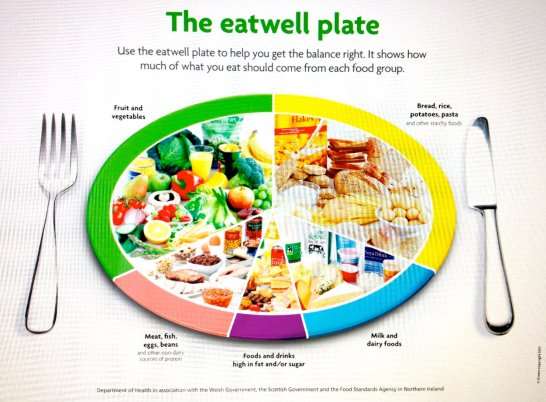
The Department of Health of the Government of the United Kingdom officially issued a dietary advice called the EatwellPlatein2011

.

It is a pictorial summary of the main food groups and their recommended proportions for a healthy diet, as illustrated in the graphic bellow:

Image result for The eat well plate (Food Standards Agency

This graphic shows that a balanced diet should contain:

  • Large portions of fruit and vegetables
  • Large portions of starchy foods, such as bread, rice, potatoes and pasta
  • Balanced portion of meat, fish, eggs, beans and other non-dairy sources of protein
  • Balanced portion of milk and dairy foods
  • A small amount of food and drinks that are high in fat and/or sugar

The human system can generally produce most of these minerals.  However, it cannot produce at least 16 of them. Before, we could only extract minerals from foods, while nowadays we can obtain them from pills that are sold on the pharmacy and even supermarkets.

By consuming a variety of different foods throughout the day our bodies will be adequately satisfied and will be able to function properly so one will be in healthy conditions and feel good within themselves.  Eating healthy is about being aware of what is good for our bodies.

Eating healthy can also makes a person feel good about themselves, raising one’s self esteem. Choosing a healthy food instead of junk food not only helps a person to feel better emotionally but also improves the functions of the body in general.

Healthful eating is about creating and maintaining a healthy diet and it starts by educating ourselves with factual knowledge of the great benefits of healthful eating. Many people today enjoy a greater abundance and variety of food than ever before. Nevertheless, countless health and nutritional problems arise from unbalanced diets and overeating.

It is not that easy to eat healthy, as the researchers, from the Neuroscience Program in Substance Abuse (N-PISA) at Vanderbilt University, USA mentioned, “A high fat diet causes people to eat more, which ultimately impairs the ability of obese people to successfully control their caloric intake, lose weight and maintain weight loss. We have conducted several studies trying to understand why a high fat diet has this effect”. This probably explains the reason why people tend to eat unhealthy junk food.

To sum up, eating healthy have uncountable benefits and it can lengthen your life by preventing certain diseases such as diabetes, heart disease, and obesity at the same time it increases one’s self esteem. Also, as the human body does not produce several nutrients that our body requires for its function, individuals need to have a balanced diet. A balanced and healthy meal would include large portions of fruit, vegetables and starchy foods, a balanced portion of meat, fish, eggs, beans and other non-dairy sources of protein, a balanced portion of milk and dairy foods and a small amount of food and drinks that are high in fat and/or sugar. Even though it could be easier to eat unhealthier, a good knowledge of the benefits of eating healthier could change one’s life for better.


References:

Elsevier. “A high fat diet leads to overeating because of faulty brain signaling: Offering low fat foods could help prevent obesity, say researchers.” ScienceDaily. ScienceDaily, 21 September 2015.

Australian Bureau of Statistics. Causes of Death 2015 (3303.0) September 2016

Department of Health, Government of the United Kingdom;  Eatwell Plate, 2011

Barbuto, J. E. (2006, July). Mental Energy: Assessing the Motivation Dimension. Nutrition Reviews, 64(7).


How do cultural differences and language barriers like the ones demonstrated with the Lee family have an impact on health care compliance?

How do cultural differences and language barriers like the ones demonstrated with the Lee family have an impact on health care compliance?

Do public funded health care programs overrule cultural differences for the sake of the providing a standard level of care? Defend your answer.
How do cultural differences and language barriers like the ones demonstrated with the Lee family have an impact on health care compliance?

Three Principles of the Treaty of Waitangi

A treaty is defined as a formally signed binding agreement between two nations. The Treaty of Waitangi is a written agreement between Maori and the British crown which took place in 1840 (Orange, 2001). There are English and Maori versions of this document Both Maori and the British crown guarantee protection of rights and control over resources. It is designed to establish new rights and obligation. In this document Maori have certain rights. The treaty Waitangi has three articles which outline the duty and obligation of the crown and the other treaty partner, which are Maori people. It agrees to partnership with Maori, to protect their own interests. It includes being responsive to the needs of Maori and this document ensures that Maori have equal opportunities in the health sector and other area (Durie, 2001).

The Treaty of Waitangi is a policy to protect Maori from the unfavourable effect of colonization. It also ensures them access to the benefit of the new society, because the Maori community are major user of health services and health must be recognised as a priority area (Nursing council, 2000). This document has three principles Partnership, Protection and Participation. In the context of nursing, Maori have the right to develop their health by using their authority and autonomy in managing their interest over health. The crown should recognise and accept the right of Maori to have control over their own knowledge and customs. They have the right to show their knowledge and choose strategies that will promote their well being. They can be independent in thinking and take action for safe management. According to this second principle of participation, nurses and patients can work together to improve health outcome by acting fairly and working together with common purpose for better health (Mckinney & Smith, 2004).

The Treaty of Waitangi gives an assurance for both nurse and patient that they will work together to preserve and improve better health outcomes. Protection is the most important principle for nurses in practice because it involves trying to protect Maori health status. It also ensures the servicers and delivery of health is done in an appropriate way. Nurses and midwifes must respect and protect Maori beliefs (Nursing Council, 2009).

According to New Zealand health strategy inequalities are reducing in health status is reduced by ensuring health services for all groups of Maori and Pacific people those are really accessible. People are encouraged to adopt a healthy and safe lifestyle by reducing bad habits and improving nutrition and increasing physical activities. Better physical, mental and social health has been improved through the reduction of the incidence disease, injuries and mental illness due to nursing management in New Zealand (King, 2000).

In New Zealand the Maori community has experienced harmful diseases due to colonization and economic inequalities. The Treaty of Waitangi lays a foundation that can guide nurses in the safe and equal care. This has resulted in the improvement of health outcomes for the Maori community. The Crown is working with Maori in partnership to improve health. One example is rheumatic fever. This was found rarely in New Zealand however, it affected the Maori population more because of unhealthy living conditions. The treaty of Waitangi empowers the Maori population to take command of their health outcomes and to co-operate with the health sector in determining what safe and healthy practices are. The result has been Maori initiatives working in this area to try to achieve better outcome to fight against the disease better living conditions and rapid treatment have been helping (Levien, 2008).

“Cultural safety is the effective nursing or midwifery practice of a person or family from another culture and it is determined by that person or family” (Scryymeour, 2009, p 94). New Zealand is a bicultural country and it is important for a nurse to understand cultural differences. One essential aspect of cultural safety is personal identification of attitudes that an individual may have towards a person or a group of people who may be different from the nurse. The nurses are expected to practice in a manner that the client determines as being culturally safe. Nurses should be aware about patient’s culture in order to improve the health status of patients. This would ensure that nurses working for a health care facility would have respect and honour for cultural differences (Hally, 2009).

Nurses and doctors can be in positions of power and authority in a health care situation. They are expected to have knowledge about human diseases and the correct treatment for them. However addressing health issues should be a partnership between patient and carers. Therefore it is important for the carers not to assume they know the best in any situation. The patient’s thoughts, attitudes and beliefs must be taken into account. Nurses need to be aware that differing cultural beliefs and values may affect the way a patient would wish to be treated. Nurses have an obligation to provide care realising that it is the patient, not the nurse, who decides whether the situation is culturally safe or not. In other words, it is the nurse’s responsibility to maintain cultural safety for the patients because it is important for nurses to protect themselves from differences and not raise barriers to culturally safe care (Cortis, 2000).

Nurses should engage in culturally safe practices by knowing primarily his/her own culture (Nursing Council of New Zealand, 2005). A nurse, who is aware of their own culture and beliefs, can appreciate the need to be culturally safe in caring for others. This concept is fundamental to showing respect towards other’s custom or values because unsafe practices can affect the patient’s emotional health and can demoralize or disempowering the patient. In the nursing context a nurse who is working in a culturally safe manner can be a good promoter or role model for patients and co -worker (Richardson et al., 2009).

In order to achieve cultural safety there should be awareness of people’s cultural values within emotional, social, economical and political context. There should be cultural sensitivity by being alert to differences and identifying with them because a nurse’s own experiences can have both negative and positive impact in nursing. A nurse should realise that it is important to acknowledge his or her own culture, because he or she, like every other individual, is unique (Papps, 2005).

In New Zealand nursing, it is good for a nurse to accept cultural differences, attitudes, beliefs and diversity, but also to realise that these may be a barrier to other people. Maori society has their own beliefs and custom which they feel will help to keep them free psychologically and physically from harm. Generally the Maori population has poorer health status so they need more attention than other members of society. Sometimes nurses encounter some difficult situation in caring due to their cultural values where stereotyping may cause difficulty for the nurse because many Maori look European, but they may not be so knowing about the patient is very important. A nurse cannot assume a patient will conform to a certain set of cultural beliefs just because a patient looks as though they belong to a particular culture. In Maori culture according to their beliefs, like burning or throwing away hair returning body parts to the client are important practical issue may which influence the nursing care in the form of cultural safety (Scryymeour, 2009).

Self awareness and knowledge of values affecting the practice of nurse in the health sector, is important. Culture has both positive and negative effects. It includes values, beliefs, skills and attitude during nursing practise. These may affect a person in both negative and positive ways. Self-awareness makes a nurse confident and helps her to relate to other people with differences. It helps his or her to take action in any situation because nurse can respect others beliefs and values by understanding their own values and attitudes because it is impossible to replace values (Jack & Smith, 2007).

Sometimes nurses start to judging patients and caring for them according their own values which may harm their spiritual and emotional status. In nursing practise a patient believes the nurse, so nurse should behave to the patient with proper knowledge about her own skills and other beliefs and values rather than be prejudiced and stereotype because it is not necessary that patient would have the same spiritual or cultural values and same community feeling which the nurse has (Tate, 2003).

In nursing homes and hospitals, different people come from different communities, religions or race with different beliefs so nurses should avoid racism or superiority to their own culture or race because it can harm patients feeling and can leave negative impact on their well being. It is good for a nurse to work acknowledging their own knowledge and their own values but sometimes he or she have to care for people with different values. So he or she should be a good cultural bearer to save themselves from conflict because patient care and safety is the priority in nursing practise (Jack & Smith, 2007).

Nurses own values shape his or her professional values. These professional values are necessary for nurse to be competent in practice and patient caring. Some values are very important in nursing care such as having a compassionate humanistic manner. These values increase the power of the practitioner to understand meaning of life. Nurses’ own values make them strong to face problems in practice. If a nurse has knowledge about their skills and experiences, then he or she can create awareness in people, to promote health and work fairly in their own field. These types of knowledge help a nurse in decision making. As nursing profession is a sensitive profession and nurses are closely engaged with patients during care so clients expect to be good nurse for care in a respectful manner. Nurses own values can make them more reflective, realistic, and honest in their profession (Shih et al., 2009).

Finally, in the nursing profession the Treaty of Waitangi, cultural safety and issues relating to Maori health have being implicated for nursing practice. The Treaty of Waitangi and its principles support Maori health as this is a priority area where nurses can improve wellbeing and the life style of Maori by engaging them in decision making about their own health. Besides this, cultural safety plays a vital role in client caring because it influences the work of a nurse in coping with diversity. Moreover, in nursing practise a nurse can improve the physical and mental health of the client by understanding own beliefs, values, skills and attitude towards patients which empowers herself and her patients. It also promotes the people for beliefs on nurse in health sector that is very relate to them during care. Bi-culturalism acknowledge the part played by both nurse and client, in striving to achieve better health outcomes for all.

Organizational Culture and Values Prepare a 10-15 slide PowerPoint presentation- with speaker notes- that examines the significance of an organizations culture and values. For the presentation of you

Organizational Culture and Values

Prepare a 10-15 slide PowerPoint presentation, with speaker notes, that examines the significance of an organization’s culture and values. For the presentation of your PowerPoint, use Loom to create a voice-over or a video. Refer to the Topic Materials for additional guidance on recording your presentation with Loom. Include an additional slide for the Loom link at the beginning, and an additional slide for References at the end.

1.      Outline the purpose of an organization’s mission, vision, and values.

2.      Explain why an organization’s mission, vision, and values are significant to nurse engagement and patient outcomes.

3.      Explain what factors lead to conflict in a professional practice. Describe how organizational values and culture can influence the way conflict is addressed.

4.      Discuss effective strategies for resolving workplace conflict and encouraging interprofessional collaboration.

5.      Discuss how organizational needs and the culture of health care influence organizational outcomes. Describe how these relate to health promotion and disease prevention from a community health perspective.

While APA style format is not required for the body of this assignment, solid academic writing is expected, and in-text citations and references should be presented using APA documentation guidelines, which can be found in the APA Style Guide, located in the Student Success Center.

Advocacy is as essential to the role of a nurse as any other aspect of nursing care. Interacting with patients more than any other healthcare provider- nurses are in the perfect position to serve as

Advocacy is as essential to the role of a nurse as any other aspect of nursing care. Interacting with patients more than any other healthcare provider, nurses are in the perfect position to serve as patient advocates (“Importance of Patient Advocacy in Nursing | UTA Online,” 2016) We as nurses are the ones who know the patient the best. We are at the bedside the majority of the time with these patients and families. We get to know them the best, so we as nurses have the responsibility to advocate for them. I had a patient once who was pod #1 s/p laparoscopic gastrectomy sleeve. The patient seemed to be doing very well until he became very SOB, was complaining of chest pain, shoulder pain, he was tachycardic. This particular surgeon is very particluar with his patients and does not like to get anyone else involved. We strictly call him to his cell phone with any questions or concerns. However, in this case he did not reply promply to my call, so i had to call a RRT. Patient had to go to the ICU, and later found out that a patient had a leak. Had I waited for the surgeon to call me back or not called an RRT, the patient wouldnt have been treated promptly. Advocating for our patients is crutial for them. We care for them in one of there most vulnerables times in their lives. They trust the heathcare professionals to do what is best for them.

Using “Bioethics on NBC’s ER: Betraying Trust or Providing Good Care?

Using “Bioethics on NBC’s ER: Betraying Trust or Providing Good Care?

When Is It Ok to Break Confidentiality?,” write a paper of 750-1 ,000 words in which you describe
your professional position regarding patient confidentiality.
Study Books Used in Class: 0
Electronic Resource
1. Bioethics on NBC’s ER: Betraying Trust or Providing Good Care? When Is It Okay to Break Confidentiality? 5
Read “Bioethics on NBC’s ER: Betraying Trust or Providing Good Care? When Is It Okay to Break Confidentiality?” by
Nathanson, located on the American Journal of Bioethics website.
http://web.archive.org/web/20110706061843/https://www.bioethics.net/articles.php?viewCat=7&articleId=133
e-Library Resource
1. Aligning Ethics With Medical Decision-Making: The Quest for Informed Patient Choice
Read “Aligning Ethics With Medical Decision-Making: The Quest for Informed Patient Choice,” by Moulton and King, from
Journal of Law, Medicine & Ethics (2010).
http://library.gcu.edu:2048/login?url=https://search.ebscohost.com/login.aspx?direct=true&db=a9h&AN=48827861&
site=ehost-live&scope=site
2. Nurses’ Conceptions of Decision Making Concerning Life-Sustaining Treatment
Read “Nurses’ Conceptions of Decision Making Concerning Life-Sustaining Treatment,” by Silén, Svantesson, and Ahlstrom,
from Nursing Ethics (2008).

Why You Should Abandon Your Android Device and Start Using an iPhone Why should I use iPhone instead of AndroidIs it worth it to switch from Android to iPhoneIs it a pain to switch from Android to


Why You Should Abandon Your Android Device and Start Using an iPhone?

  • Why should I use iPhone instead of Android?
  • Is it worth it to switch from Android to iPhone?
  • Is it a pain to switch from Android to iPhone?
  • Which is better device to have Android or iPhone?
  • Is Android better than iPhone 2020?
  • What can Android do that iPhone can’t 2020?
  • Are iPhones or Samsungs better?
  • Why does everyone want an iPhone?
  • What are the disadvantages of iPhone?
  • Why should I not buy an iPhone?
  • Do iPhones last longer than androids?
  • What is bad about androids?

Reflective essay on person-centered communication in nursing.

Reflective essay on person-centered communication in nursing.

reflective essay on person-centred communication in nursing
there will be a scenario, you can change on it in way that will help you to write. an reflect on it. try to use the up-dated references.

From the module description
A five thousand word processed assignment on theoretical, ethical, professional and practical perspectives associated with person centred communication skills and approaches

You must complete a five thousand word assignment, which illustrates your knowledge and understanding of the communication process including its application to clinical practice. The assignment will include exploration and discussion of theoretical concepts, practice models and approaches as well as relevant ethical considerations including the awareness of self. Reference to and relevance for your clinical context and client groups will be expected. The work must be supported throughout by appropriate references and/or relevant sources of evidence. The discussion must be based upon sound evidence relevant to personal practice and experience, as well as a range of literature sources including appropriate research.
You will need to discuss your ability to adapt models, skills and strategies to best fit with your client’s needs, the context and your own role as a practitioner. In addition, you will need to discuss your awareness of personal, professional and organisational barriers and/or hindrances to the development of the person centred approach in practice. Also you will need to support your discussion with sources of evidence such as models and/or approaches that identifies and explores strategies for sustaining new developments and change in personal and professional practice.

NOTE
Below, I have outline guidelines for your essay. This is not an exhaustive list of what you should include in your essay, it is some of the points you should consider when writing your essay and a suggested structure to use.
I have listed my ideas for what can be included in each section. This is not to suggest the order in which to include information, or subheadings for sections of the essay.

Introduction
For the introduction, you should identify the area of practice in which you work and the use of person centred communication (PCC) within this field.
Discuss the importance of communication in nursing. Why do nurses need to communicate with patients and colleagues more effectively? Consider this in relation to the evidence on communication in nursing. Are nurse’s effective communicators? Do they communicate sufficiently with patients?
What are the positive aspects of PCC, How does it enhance patient care? Relate this to evidence of its application and effectiveness.
Relate the reasons to the literature, local and national policy. The Code of Conduct for nurses, our accountability and duty of care to our patients.

Person Centred communication
What is communication, models of communication: linear and transactional models. Relating this to how we communicate as nurses in the clinical setting
What is person centred communication? Describe the skills needed to communicate effectively in a caring environment.
Describe the skills and attributes of PCC. Warmth, empathy, unconditional positive regard, genuineness, and trust.
Consider self-awareness, what self-awareness is and why it is important in being person centred, as well as being important for reflective practice. Relate this to literature on self-awareness and reflection.
Describe the basis of PCC, theories and perspective that underlie the approach
Effective listening skills (summarising, reflection of content and feelings, paraphrasing and summarising)
The Use of SOLER and/or SURETY. Consider these two approaches, comparing them, the critique of SOLER, by (Stickley, 2011, Williams and Stickley, 2010)Consider the limitations in applying these models within the nursing field, where the conditions are not always optimal
Critically analyse the above approaches. For example can we really give people “unconditional” positive regard? Are there other theories and ideas of human motivation and development?
Is there empirical evidence to support the theory and the skills?
What is the evidence for the effectiveness of PCC?
Describe the barriers to using PCC in healthcare. This could include discussions of the physical environment and whether this provides adequate time and confidential areas to talk with patients/ families and staff.
What is the culture of nursing? Sometimes nursing emphasises the tasks and clinical skills and spending time with people is not seen as so valuable. Discuss this in relation to the literature on nursing.

The local context
Give a brief description of your area of practice. Describe the context in which you communicate with patients, families or other staff.

Using person centred skills in practice (Reflective account)

Describe an incident in which you have applied PCC in practice. The incident does not have to be a major clinical incident, the important issue is that it allows you to discuss the use of PCC.
In using a reflective approach, what is the evidence for using reflection in nursing practice?
Is reflection recommended by our professional bodies, educational institutions and health organisations?
What was the incident?
What skills did you use?
Did it facilitate better quality care with a patient / family member?
Did it help deal with an emotional issue for staff?
Discuss it in relation to the literature on PCC. In relating the situation to the literature, you should consider the evidence base for the approaches you are using.
You should also bring in literature on PCC, related to your own specialised field of practice. If you work in midwifery, for example, you should use literature on using PCC in this field. If you work in mental health, what does the literature say about using PCC in mental health.
Can it be described in relation to the approaches of Egan, Roger, Heron, or another model of communication
Eg
Developing rapport with a person, and identifying an issue to work on
Developing a goal with the person
Helping the person find a way towards their goal.
Or
Identifying which categories of intervention you used in your situation.
EG
Authoritative
• Prescriptive
• Informative
• Confronting
Facilitative
• Cathartic
• Catalytic
• Supportive

This should finish with a brief summary about what you have learned from discussing and applying PCC in practice

Conclusion
This should discuss implementing a more person centred approach in your area of work. What would be the benefits? Can you think of any negatives?
What would be the barriers in your workplace what could be done to overcome these barriers.
For example: training, changes in the ways of working and culture, education.

Theoretical content
• Person centred models and approaches such as the six categories of interventions (Heron 2001) and the three staged helping approach (Egan 2006). Professional, ethical and legal aspects of communication skills in practice.
• Demonstrate the application of enhanced self-awareness through self-appraisal and reflection on action
• Concepts of support, supervision and development
• Research evidence regarding effective styles of communication
• The application of person centred communication skills
• The communication skills process
• The application and principles of intentionality of person centred communication skills
• Reflective and analytical skill development
• The Integration of ethical, professional and legal issues in practice
• Practical support, supervision and development
• The application of approaches and/or skills to specialist areas of practice

if you can use these references if available, it will help
Reading List
• Bach S, and Grant A., 2009 Communication and Interpersonal Skills for Nurses, Exeter, Learning Matters Ltd
• Donnelly E. and Neville L. 2008 Communication and Interpersonal Skills (Health and Social Care: Knowledge and Skills) Newton Abbot, Reflect Press Ltd
• Hargie O. (Ed) 2006 The Handbook of Communication Skills Hove Routledge
• Hough M. (2006) Counselling Skills and Theory London, Hodder and Stoughton
• Moss B. 2007 Communication Skills for Health and Social Care, London, Sage

You can use these references also as they are the most up-dated refernces:
1- Morrisey J. Callaghan P., 2011 Communication skills for mental health nurses. Berkghire, McGran Hill Open university
2- Bach S., Gant A., 2011, communication and interpersonal skills in nursing 2nd editionexetes:learning matters

this is the scenario:
One day during morning shift. One mother came from home carrying her 5 days old term baby. Firstly, she attend nursing station of low dependency. She called the staff nurse who was working with her assigned babies. The nurse came to see the baby as in the beginning she asked the mother to put her baby under warmer. The mother put her baby. She told the nurse that her baby is yellowish in colour as he has jaundice. The nurse called the doctor to examine the baby and in the same time she examined him. He was totally dark yellowish in colour and he was not breathing at all. The staff nurse informed the doctor for the second time. He told her to take the baby immediately to intermediate-dependency (ID). The nurse told the mother that she will shift the baby to another dependency. She shifted him along with his mother and put him under the warmer. The doctor immediately came. I attend to help the doctor with another staff nurses. We asked the mother to stay outside the dependency so she will not get panic and she response by nodding her head and she stayed out. Ambubagging, intubation, intraventricular cannulation, arterial line insertion and blood sample collection done. The mother was crying outside ID as she did not know what happened for her baby. After finishing the procedure, the baby had put inside intensive phototherapy machine as a prophylactic therapy and endotracheal tube (ETT) connected to ventilator in isolation room. One of the senior staff assigned for that baby. The doctor told me that he wants to speak to the parents. I took them to the seminar room in our ward. I close the door with my presence and the doctor. Most of chairs were arranged. I kept one chair for the doctor in front of parent’s chairs. I sat on a chair beside. The doctor start to take history from them. He informed them about the procedures done with explanation of reasons of implementing them by using simple and understandable words without using medical terms in order to reduce their fears. After finishing, both the doctor and father left. I took permission from the other to sit. I sat in front of her with maintaining eye contact most of the time. I asked her about what did she observe in the baby and what feelings she experienced. She expressed her feelings. I touch her hands and showed her that I understand her feelings of fear as he is her baby and not to feel mistaken by herself. I asked her about the reasons she is thinking it is the cause. She identified that she is not having enough milk and she is not having enough milk and she is not exposing her baby to the sun as he needed in this age I replied that less milk and unexposed to sun are the reasons. Finally, I closed our discussion by summarizing of key points that already we discussed together. Then we left. After laboratory results came, the doctor advice for complete blood exchange. It was done by an expert doctor, but those interventions did not help the baby so much as he passed away the next day.

Care Models For Dementia


Strength based model-

This model focuses on the strengths, resources of the dementia clients/family and their ability to alzeihmers needs and interests. This model does not ignore the disabilities or problems of the client but it encouraged to discover the Alzheimer’s strengths and their positive basis to help them to create their own lives. It looks at the control of the client with dementia, their abilities and interests instead of looking at the problems. This shows that dementia people still have their own abilities and strengths to achieve their goals.


Assessment:

Evaluation of the individuals who living with dementia require the same abilities, and whatever other evaluations are in view of the same guideline of individuals situated and individual rights, an elevated requirement of evaluation and administration standards. At the point when the objectives have been recognized, and after that execute. Information and aptitudes of wellbeing capable in Alzheimer’s illness. Exceptional assets can be utilized to survey the client. Figure out which wellbeing and social consideration experts need to cooperate, offer information, shared trust , decrease duplication , cooperate to guarantee the needs of the elderly in degree and unpredictability to be recognized effectively and as per their wishes and inclinations determined.


Planning:

Planning dementia client consideration projects ought to consider their admiration, values, hobbies and capacities. Assemble an association with the individual you are evaluating, to advance their self-regard. It is very important to understand a man’s specific needs and be strong. Give clear, simple information in a delicate, kind manner. Become familiar with the individuals with dementia individuals, what’s working? What isn’t? What is the individual’s realizing and strengthen needs? What would they like to accomplish, and how would they like to be uphold?

As we probably are aware, Alzheimer’s illness is a dynamic sickness, patients with mind harm all the more over the long drag. It will influence their everyday life. Case in point, it will lead them have poor memory, comprehension, convey ability additionally and self-care capacity too.


Coordination:

It takes a gander at the development of a reuse store, the expedition forever. Management and encourage address current clinical issues of dementia, for example, wellbeing issues, emotional wellness, decrease independence and every day care, solution additionally incorporate social, rooms, livelihood and otherworldly needs. The methodology is in view of the benefits of explanation, the handicapped access to all assets, decision and the privilege to direct administration, dynamic living and support in the public arena. Furthermore, Alzheimer’s sickness that have equivalent privileges of nationals. Alzheimer’s problem who must address the issues of their entitlement to deal with. They have each privilege to settle on their own decisions and choices. Parental figures ought to have a positive correspondence in the middle of patients and guardians to comprehend their needs and what is their objective.

  • Supporting self improvement and self-backing
  • Listening to individuals and gaining from them
  • Involving individuals in choices that influence them
  • Giving backing and supporting support by others
  • Protecting rights through privileges and enactment
  • Ensuring equivalent open doors
  • Practicing hostile to segregation


Weakness:

As specified above, it takes a gander at dementia client’s close to home capacities and qualities, which implies that we ought to live by dementia client stories and foundations, including training, accept, marriage, interest. For this model, it will invest bunches of energy to enhance the consideration arrangement, let it to be better. For this model, it need guardian know the consideration and individual subtle element for dementia individuals exceptionally well, subsequently they can give the client better care. Then again, in light of need to obviously know the individual point of interest of the customer, it may lead the parental figure all the more substantial work in the event that they are in


Strengths:

It helps to build the self esteem and sense of competence or accomplishment in client with dementia. It focuses more on the health and well being of dementia client by embracing an asset based approach to the positiveness in dementia client. It also helps to know more things about how to assist the dementia clients with their needs and also help dementia client in dealing with their culture and dignity of community with respect and fairness. It emphasizes more on the strengths and abilities of dementia client rather than their problems. And this model helps to enables dementia clients to maintain their lives and choices to create their own lives. It also help the caregivers to build a good relationship with the dementia clients.


Perspectives:

It builds a hope through the strengthen relationships with dementia people, community and culture. It emphasizes and strengthens the belief that people are the experts in their own lives and others i.e. carers help them to increase and explain their choices and encourage people with dementia to make their own decisions.


Summary:

Dementia must face decreased limit and memory trouble. This will influence their day by day lives and their objectives. To enhance this, in view of the client’s capacity, hobbies and capacities, and the quality of the model on the premise of their qualities and potential. It gives individuals the decision to them and helps them accomplish their objectives. It takes a gander at what functions admirably past dementia customers, and help clients keep up the trust that it can make life of dementia clients. It can help dementia to keep up their social exercises and have the privilege to appreciate it right.


Case management model:

It is a powerful model to oversee and give administrations to address the issues of client’s with dementia. By and large, the different needs of case management coordination and administration of Alzheimer’s sickness, weak dementia care. It gives encouragement, drugs, enthusiastic backing and old dementia of social needs. Case management comes about primarily centred around giving financially knowledge managements, yet the effect on patient consideration prompts a significant change. There are distinctive number of case management model, and also the benefits of the model -based restoration model, business model and clinical case administration.

Assessment:

Case directors need to have social aptitudes, mental training and emergency mediation abilities. Before you start, caseworkers ought to recognize people with dementia customer’s exceptional needs and objectives, and in addition their wellbeing needs. Its objective is to help customers with dementia discover achievement and fulfilment with negligible expert society’s attack. It begins with an exhaustive useful appraisal and restoration program. To finish it, family and companions ought to be included. A few studies have been watched and what they like to do or what they are keen on is likewise identified with the client’s close to home foundation, including the evaluation of the data age, wage , instruction, convictions, hobbies, and they are extremely helpful effort .


Planning:

In this procedure, we ought to give Alzheimer’s clients decide to settle on their own choices and accomplish their objectives; the chiefs and guardians assume liability to help dementia clients regulated to accomplish it. For example, we can relate customer’s consideration plan to set a short- term and long haul objective of giving the right item. Case in point, supply the walker, speaker etc. It concentrates on furnishing clients with dementia to be more autonomous and decide to make their inventive lives. We can utilize the verbal and non-verbal, correspondence aptitude to comprehend the customer’s necessities.


Coordination:

Take clients’ changing requests of dementia care by relatives, parental figures, GP and others included in customary consideration. To change in the arrangement of consideration, because of the customer’s wellbeing status. Support and encourage dementia clients keep up their social exercises and freedom. Family, companions, associates, and others have to receive an uplifting behaviour towards individuals with dementia. They ought to cooperate to Alzheimer’s kin into the group to partake in exercises to keep up and advance their self-regard.


Weakness:

For the situation of management, its objective is to give unique consideration to dementia customers. There may be held at a normal meeting of the obstructions the family may invest a considerable measure of energy examining. It obliges case managers have a great deal of aptitudes and dementia customers and families which need case managers will be more trade of learning from various perspectives.


Strengths:

It is a valuable, to address the issues of client’s dementia, which is centred around giving brilliant management, an interesting individual. Consideration programs more adaptable, versatile, in light of the fact that it can be changed, and find out about the most recent time to take care of client demand Alzheimer’s own consideration arrangement. Dementia clients will have their own consideration arrangement. Furthermore, the others are more experienced and better correspond with one another. It gives a proficient personal satisfaction for individuals with dementia, as it plainly build up business system that dementia who achieves a suitable management.


Perspectives:

It focuses on that whether the needs are being met by the services and other resources and it also sees that there is a comprehensive team approach in meeting the requirements of the dementia people. It helps in building the trust and communication with the case managers.


Summary:

This model focuses on the fact that the dementia client’s needs are met and supported and the people looking after dementia clients communicate effectively and resources available to communicate effectively with clients are used. This also looks after that whether the family/whanau of the dementia client and support persons is involved with supporting the dementia clients needs or not.


Comparing two models:

Based on the quality of more concentrate on the dementia clients qualities and abilities of the consideration arrangement. It permits clients to make their own particular lives. It is more helpful to help clients to take an interest in group life. On the off chance that management, it is alluded to as an organizer and director of a gathering of patients. It oversees hazard and direction mind as a centre capacity. Its objective is to give practical managements, yet the effect on patient consideration prompts a huge change

Related content

Therapeutic Management of Parkinsons Disease in Adults


1) Pathophysiology and clinical manifestations


Parkinson’s disease (PD) is a progressive condition of the nervous system in which parts of the brain deteriorate gradually. It is marked by both motor symptoms (i.e. bradykinesia, rigidity, postural instability) and non-motor symptoms (i.e. excessive daytime sleepiness, orthostatic hypotension). The pathological features involve neuronal loss in the brainstem leading to dopamine deficiency in the striatum which results in abnormal brain activity and PD symptoms. Genetic predisposition (i.e. mutation in α-synuclein protein) along with some environmental factors (i.e. air pollution) can cause PD (Whittlesea and Hodson, 2018). PD is clinically diagnosed based on UK Parkinson’s Disease Society Brain Bank Clinical Diagnostic Criteria (NICE, 2017). It is monitored by symptoms improvement which are measured by different assessment tools (i.e. Unified Parkinson’s Disease Rating Scale, PDQ-39 questionnaire). Patient’s quality of life is affected as PD can restrict an individual’s day to day activities. Currently 1% of the population in UK aged over 65 and 2% over the age of 80 have PD (Whittlesea and Hodson, 2018).


2) Therapeutic management


Treatment:

Table 1 Therapeutic management of Parkinson’s disease in adults (adapted from NICE, 2017)


Role in Parkinson’s disease management


Dosing:

Measure/Monitoring:

What?

When?

Pharmacological management of motor symptoms


  1. First line treatment
Levodopa with a dopa-decarboxylase inhibitor

(e.g.co-careldopa)

Used in early stages of PD if motor symptoms impact on quality of life. Initially 25/100mg 3 times daily; maintenance up to 200/200mg daily in divided doses. Hepatic function, monitor side effects of co-careldopa e.g. Skin reactions, vision disorders. Hepatic function is measured before starting therapy; manufacture advises to avoid in decompensated hepatic function.
Dopamine agonist          (e.g. rotigotine) For early stages of PD if motor symptoms do not impact on quality of life. Patch: Initially 2mg/24 hours; maximum dose 8mg/24 hours. Hepatic function, monitor vision complications (ophthalmic testing). Hepatic function test before initiation, avoid in severe impairment; ophthalmic testing required if vision problems reported.
Monoamine oxidase type B (MAO-B) inhibitors      (e.g. rasagiline) For early stages of PD if motor symptoms do not impact on quality of life. 1mg daily. Hepatic function, monitor side effects e.g. abdominal pain, urinary urgency. Hepatic function is measured before starting therapy; caution in mild impairment.

  1. Adjuvant treatment


Levodopa with dopamine agonists or MAO-B inhibitors or COMT inhibitors (e.g. Stalevo) If dyskinesia or motor fluctuations develop despite optimal levodopa therapy. Stalevo 100/25/200 (levodopa with carbidopa and entacapone): 1 tablet OD, maximum 10 tablets daily. Monitor side effects e.g.  sudden onset of sleep. Patients starting the treatment should be warned of the risk of sudden sleepiness when driving and operating machinery.

  1. Managing impulse control disorder
Impulse control disorder can develop at any stages of the disease with dopaminergic therapy. Risk is higher with dopamine agonist therapy and having a history of previous impulsive behaviours along with alcohol consumption or smoking. If impulse control behaviour is developed, then modify dopaminergic therapy by gradually reducing dopamine agonist. Offer cognitive behaviour therapy if modifying dopaminergic therapy is not effective (under specialists). Withdrawing treatment will be considered as a last resort.

Note: Be aware; impulse control disorder can also develop while taking dopaminergic therapies other than dopamine agonist.


Pharmacological management of non-motor symptoms

Modafinil To treat excessive daytime sleepiness. Initially 200mg daily in 2 divided doses; adjust according to response. Renal function, hepatic function and ECG are required. Renal and hepatic function along with ECG are measured before initiation; 50% dose reduction is required in severe renal impairment.
Melatonin For rapid eye movement sleep behaviour disorder. 2mg once daily up to 13 weeks. Hepatic function; monitor for side effects e.g. anxiety, headaches, pain etc. Hepatic function test when initiating; avoid in impairment as risk of decreased clearance.
Midodrine To treat orthostatic hypotension. Initially 2.5mg 3 times daily; increased up to 10 mg TDS. Hepatic and renal function; monitor for side effects e.g. supine hypertension. Measure hepatic and renal function at regular interval; stop treatment if supine hypertension is not controlled on dose reduction.

Pharmacological neuroprotective therapy
Use of neuroprotective therapy is restricted to clinical trials only. Do not use vitamin E, co-enzyme Q10, dopamine agonist or MAO-B inhibitors as a neuroprotective therapy in people with PD. The aim of this therapy is to restore the level of dopamine in the striatum which will prevent or delay the degeneration of dopamine and resolve PD symptoms.

Non-pharmacological management of motor and non-motor symptoms
Physio, occupational, speech and language therapies.
Physiotherapy

can help patients experiencing balance or motor function problems;

occupational therapy

is beneficial for patients experiencing difficulties with daily living activities;

speech and language therapy

should help patients experiencing problems with communication, swallowing or saliva. Consider referring people to these services who are in early stages of Parkinson’s disease for assessment, advice and support.

Advanced treatment options

Deep brain stimulation

: Offer best medical therapy in advanced PD with apomorphine injection. Consider deep brain stimulation if symptoms uncontrolled with best medical therapy.


Levodopa-carbidopa intestinal gel

: Used for advanced levodopa responsive PD with severe motor fluctuations and administered with a portable pump into duodenum or jejunum.


Palliative care
Advanced care planning and the prognosis of the condition should be discussed with the family members and the carers. Treatment termination can also be discussed at this stage.

Referral
Patients can be referred at any stages of the Parkinson’s disease to the palliate care team to give them and the family members the opportunity to discuss the care.


Following 3 drugs have been chosen and justified for this therapeutic framework using evidence-based research.


Co-careldopa

is chosen because levodopa with a dopa decarboxylate inhibitor are recommended by NICE as a first line treatment in early stages of PD for motor symptoms (NICE, 2017). Mao and Modi (2016) conducted a randomized, placebo-controlled fixed dose study comparing carbidopa-levodopa extended release capsule (IPX066) with placebo. The study included 171 patients treated with either 3 doses of IPX066 (145mg, 245mg or 390mg) or placebo. After 30 weeks, IPX066 showed a huge improvement in symptoms measured by Unified Parkinson’s Disease Rating Scale compared to placebo (76.7% compared to 23%, ARR= 53.7%, NNT=2, P˂0.05). One limitation of the study is that the disease progression over time could affect these results as the study was only for 30 weeks.


Rotigotine

is chosen because dopamine agonists are recommended by NICE in early stages of PD patients whose motor symptoms have no impact on their quality of life (NICE, 2017). Zhang et al., (2017) carried out a randomized, double blind placebo-controlled study in PD patients inadequately controlled on levodopa (≥200mg/day). 346 patients having ≥2.5 h/day “off” time (symptoms returning) were randomized to receive rotigotine patch maintaining a maximum dose of 4-16 mg/24h or placebo for 12 weeks. They found rotigotine significantly reduced “off” time (primary efficacy) from base line to end of maintenance according to patient diaries (48.8% compared to 36.9%, ARR=11.9%, NNT=9, P=0.0269). Safety variables such as adverse effects were reported more in patients with rotigotine patch compared to placebo (59.2% VS 50%) where the most common adverse effects (≥5%) were dizziness, nausea, pruritus and dyskinesia.


Rasagiline

is chosen as MAO-B inhibitors are recommended by NICE as a first line treatment in early stages of PD or as adjunct to levodopa/dopamine agonists for patients developing motor fluctuations despite optimal levodopa therapy (NICE, 2017). Hauser et al., (2014) conducted a randomised controlled trial of rasagiline 1mg/day as an add-on therapy to dopamine agonists (ropinirole ≥ 6 mg/day or pramipexole ≥ 1.0 mg/day) in patients whose PD was not adequately controlled. They found a significant improvement in total Unified Parkinson’s Disease Rating Scale from baseline to week 18 in rasagiline group compared to placebo expressed in mean improvement (-3.6 +/- 0.68 in rasagiline and -1.2 +/- 0.68 in placebo, P˂0.05). They also concluded that rasagiline 1mg/day was well tolerated compared to placebo with dizziness being the most common adverse effects (7.4% compared to 6.1%, ARI=1.3%, NNH=77, P˂0.05).


3) Pharmacist’s contribution to patient care


A side effect of co-careldopa is dyskinesia (BNF, 2018). This happens when levodopa causes the dopamine in the brain to spike suddenly resulting in involuntary jerky movements. Chaudhuri, Jenner and Antonini, (2019) found that levodopa resulted in dyskinesia of up to 36% of patients within 5 years and 88% within 10 years. Therefore, pharmacist should advise patients to report dyskinesia symptoms (i.e. rapid blinking, sticking out the tongue) to their GP who can review their treatment.

Co-careldopa is cautioned in diabetes mellitus (BNF, 2018). Patients with PD have abnormal glucose tolerance which can be further exacerbated by levodopa therapy (Rasanu, 2019). Pharmacists can provide life style advice and diabetes self-management education as part of the MUR and monitor patients HbA1c regularly.

Clozapine interacts with co-careldopa to decrease the effect of levodopa (BNF, 2018). This is because the absorption of levodopa is decreased by clozapine which can trigger the fluctuations of motor functions. Hence, pharmacist should discuss how this interaction can be managed with the prescriber (discuss any suitable alternatives) as manufacture advises to avoid this combination.

Patients should be advised that initiation of co-careldopa can cause sudden onset of sleep at daytime as it causes a calming effect in the nervous system (BNF, 2018). Hence, Pharmacists should counsel patients on improving sleep behaviours and advise them to stay away from driving or operating machines.

Rotigotine can cause impulse control disorder (ICD) as a side effect (BNF, 2018). Antonini et al, (2016) found 9% of 786 people treated with rotigotine experienced ICD where 2.5% reported having compulsive sexual behaviour, 2.3% buying disorder and 2% compulsive gambling. If patients develop these symptoms, pharmacists should refer them to their GP for a dose reduction or cognitive behaviour therapy if dose reduction not effective (NICE, 2017).

Rotigotine is contraindicated in breast feeding as it can suppress lactation (BNF, 2018). Pharmacists should advise appropriate female patients to avoid breastfeeding and resort to a suitable infant formula milk if possible as manufacturer found this drug to be present in milk in animal studies.

Rotigotine interactswith amlodipineto increase the risk of hypotension (BNF, 2018). These two drugs reduce blood pressure by venous and arterial dilation. Pharmacists should counsel patients on self blood pressure monitoring and advise them to visit GP for review if BP falls below 90/60 mmHg.

Pharmacists should be aware of dopamine dysregulation syndrome which can develop with rotigotine because of the addictive pattern of dopamine (BNF, 2018). Patients and the carer should be advised to report symptoms like craving, addiction or other self-control problems like gambling and abnormal sexual behaviour to their GP for an appropriate review.

An important side effect of rasagiline is dysphagia which occurs when neurological problem affects the nerves.  Ludolph et al., (2018) described dysphagia as a common adverse effect in a randomised controlled trial on safety and efficacy of rasagiline (1mg/day for 36 months vs placebo) (25% compared to 19%, ARI=6%, NNH=17, P˂0.05). Pharmacists should refer patients to their GP immediately for review if dysphagia symptoms (i.e. drooling, food sticking in the throat, choking) occur.

Rasagiline iscontraindicated in moderate to severe hepatic impairment because of increased risk of exposure (BNF, 2018). Pharmacists should request GP to carry out liver function tests before initiating treatment with rasagiline.

Rasagilineinteracts with pseudoephedrine to cause severe hypertensive crisis (BNF, 2018). This happens because smaller blood vessels of the body narrow causing excessive pressure against the vessel walls. Therefore, pharmacists should avoid selling over the counter decongestants containing pseudoephedrine and offer alternatives (i.e. saline, nasal strips).

Pharmacists must advise patients and the carers not to stop rasagiline abruptly as it can cause neuroleptic malignant syndrome or acute akinesia because of dysfunction in the autonomic nervous system (BNF, 2018). Hence, patients should be advised to talk to their GP for any concern about rasagiline before deciding to stop suddenly.


4) Conclusion


PD can have detrimental effects on patients quality of life as well reducing life expectancy due to related complications. Pharmacological treatment with co-careldopa, rotigotine and rasagiline aims to improve motor symptoms of PD taking into account individual’s symptoms and co-morbidities. Therefore, the role of the pharmacists is essential in ensuring effective management of PD, whilst prioritising patient safety.


References

  • Antonini, A., Chaudhuri, K., Boroojerdi, B., Asgharnejad, M., Bauer, L., Grieger, F. and Weintraub, D. (2016). Impulse control disorder related behaviours during long-term rotigotine treatment: a post hoc analysis.

    European Journal of Neurology

    , 23(10), pp.1556-1565.
  • Chaudhuri, K., Jenner, P. and Antonini, A. (2019). Should there be less emphasis on levodopa‐induced dyskinesia in Parkinson’s disease?

    Movement Disorders,

    1(1), pp.2-3.
  • Hauser, R., Silver, D., Choudhry, A., Eyal, E. and Isaacson, S. (2014). Randomized, controlled trial of rasagiline as an add-on to dopamine agonists in Parkinson’s disease.

    Movement Disorders

    , 29(8), pp.1028-1034.
  • Joint Formulary Committee (2018).

    British National Formulary

    . 76

    th

    edition. London: BMJ group and Pharmaceutical Press.
  • Ludolph, AC., Schuster, J., Dorst, J., Dupuis, L., Dreyhaupt, J., Weishaupt, JH., Kassubek, J., Weiland, U., and Petri, S (2018). Safety and efficacy of rasagiline as an add-on therapy: a randomised, double-blind, parallel-group, placebo-controlled, phase 2 trial.

    The Lancet Neurology

    , 17(8), pp.681-688.
  • Mao, Z. and Modi, N. (2016). Dose-Response Analysis of the Effect of Carbidopa-Levodopa Extended-Release Capsules (IPX066) in Levodopa-Naive Patients With Parkinson Disease: a randomized, placebo‐controlled, fixed‐dose, parallel‐arm phase 3 study.

    The Journal of Clinical Pharmacology

    , 56(8), pp.974-982.
  • NICE (2017)

    Parkinson’s disease in adults | Guidance | NICE

    . [online] Available at: https://www.nice.org.uk/guidance/ng71 [Accessed 13 Jul. 2019].
  • Rasanu, I. (2019). The Relation Between Type 2 Diabetes Mellitus and Parkinson Disease Up to Date.

    Romanian Journal of Diabetes Nutrition and Metabolic Diseases

    , 26(1), pp.79-84.
  • Whittlesea, C. and Hodson, K. (2018).

    Clinical Pharmacy and Therapeutics 6E

    . [S.I]: Churchill Livingstone, pp.pg 507-516.
  • Zhang, Z., Liu, C., Tao, E., Shao, M., Liu, Y., Wang, J., Asgharnejad, M., Xue, H., Surmann, E. and Bauer, L. (2017). Rotigotine transdermal patch in Chinese patients with advanced Parkinson’s disease: A randomized, double-blind, placebo-controlled pivotal study.

    Parkinsonism & Related Disorders

    , 44, pp.6-12.


APPENDIX


Summary Therapeutic Framework Information for 3 chosen drugs


Therapeutic management of Parkinson’s disease in adults


Drug Name
Co-careldopa


(Levodopa-Carbidopa)


Rotigotine

Rasagiline
Drug Group (Dopaminergic drug)

Levodopa- Central nervous system agent

Carbidopa- Dopa decarboxylate inhibitor

Non ergoline dopamine agonist Monoamine oxidase type B (MAO-B) inhibitors
Legal Classification POM POM POM
How the drug works in the condition Levodopa is converted into a neurotransmitter called dopamine once in body that helps to restore the level of dopamine in the brain and carbidopa prevents the breaking down of dopamine before it reaches the brain. Thus, it helps to alleviate the motor symptoms of PD. Once in the bloodstream, rotigotine stimulates the dopamine receptors in the brain which mimics the action of dopamine. As a result of this, the normal level of dopamine is maintained in the brain of PD patients. Monoamine oxidase B is an enzyme that normally breaks down dopamine. MAO-B inhibitors prevent the breaking down of dopamine in the brain making more dopamine available. Therefore, this drug also alleviates the motor symptoms of PD.
The usual adult dose (route, dose, frequency) By mouth

Initially 25/100mg 3 times a day, then increased gradually by 12.5/50mg once daily or increased in steps of 25/100mg once daily or on alternate days. Dose can be increased until 800mg of levodopa along with 200mg of carbidopa reached which is given daily in divided doses. Maintenance up to 200/200mg daily.

By transdermal application using patches

Initially 2mg/24 hours, then increased if required by 2mg/24 hours every week; maximum 8mg/24hours.

By mouth

1mg daily.

Patient monitoring to check that the drug is working Disease control, symptom improvement i.e. alleviation of symptoms can be measured using Unified Parkinson’s Disease Rating Scale (UPDRS), Hoehn and Yahr Scale or by using PDQ-39 questionnaire. Improvement in motor symptoms (i.e. tremor, rigidity etc) can be seen taking this drug. PD NMS questionnaire and NMS survey can be used to measure the treatment outcome. Patients monitoring is needed for visual problems or history of retinal disease (ophthalmic testing). This drug can be effective in reducing “off” time (returning of motor and non- motor symptoms) when given along levodopa. Parkinson’s Disease Composite Scale and patient’s survey can be used to measure this.
Important side-effects caused by the drug and monitoring for these side-effects Dyskinesia-check for symptoms such as rapid blinking, sticking out the tongue, random movement of the lips etc.

Sleep disorders- check for daytime fatigue, lack of concentration, irritability etc.

Seizure-check for unusual behaviours or feelings that occur hours to days before a seizure.

Impulse control disorder- check for binge eating, pathological gambling and hypersexuality. If the patient develops this, treatment should be withdrawn or dose reduction is needed.

Psychotic disorder- check for mental status by observing the patients. Monitor by MRI or CT scans by specialists if needed.

Sexual dysfunction-monitor with blood tests, urine tests, ultrasound and physical exam.

Dysphagia- Monitor for dysphagia symptoms such as choking on food, pain when swallowing, drooling, food sticking on throat etc.

Constipation-check for risk factors such as infrequent stools, difficulty defecation etc.

Urinary urgency- Monitor by uncomplicated self monitoring techniques such as monitoring the timing and amount of fluid and caffeine intake.

Postural hypotension-monitor blood pressure while standing and sitting to compare the measurements.

Important drug interactions
Clozapine

– it decreases the effect of levodopa. Manufacturer advises to avoid or monitor worsening of parkinsonian symptoms.


Haloperidol

– effects of levodopa is decreased with haloperidol.


Phenelzine

– levodopa increases the risk of hypotensive crisis when given with it.


Rotigotine

– Rotigotine increases the risk of hypotension with amlodipine, amitryptaline, atenolol, aripiprazole, baclofen and bisoprolol (moderate interaction).

Rasagiline-

it causes severe hypertensive crisis when given with pseudoephedrine, ephedrine, salbutamol, salmeterol and xylometazoline (severe interaction).
Important disease interactions (Contra-indications and Cautions)
Cautions

: diabetes mellitus, cushing’s syndrome, hyperthyroidism, osteomalacia.


Contra-indication:

impulse control disorder.


Contra-indication:

breast feeding


Cautions

:  avoid exposure of rotigotine patch to heat, remove aluminium containing patch before cardioversion.


Contra-indication

: avoid in moderate to severe hepatic impairment.


Cautions

: pregnancy, breastfeeding, hepatic impairment.

What the patient should be told about their medicine Patients starting the treatment should be warned of the risk of excessive daytime sleepiness. Patients experiencing excessive sedation should be advised to refrain from driving and operating machines. Patients should be counselled on improving sleep behaviour. There is an increased risk of developing dopamine dysregulation syndrome with dopamine agonist like rotigotine. Patients and the carer should be advised to report symptoms like addiction, craving or other self-control problems like gambling and abnormal sexual behaviour. Patients and the carer should be advised not to stop this medication abruptly due to poor absorption (for example- gastroenteritis) or any other reasons (i.e. side effects) to avoid the risk of acute akinesia or neuroleptic malignant syndrome.