Care Of Diabetic Foot: How To Prevent Amputation

Introduction

Diabetes mellitus is defined as a metabolic disorder characterised by chronic hyperglycaemia with metabolism disturbances in carbohydrate, protein and fat because of defects in insulin secretion, insulin action, or both (SIGN 2010).

Diabetes mellitus is one of the main causes of increasing morbidity and mortality in Scotland and worldwide every years (SIGN 2010). Diabetes leads to several problems that begins with many of symptoms and debility on the short term and ending with a wide complications such as blindness, renal failure and amputation. Furthermore, diabetes has a significant impact on increasing the mortality and premature death from cardiovascular disease such as stroke and myocardial infarction (Massi-Benedetti 2002).

Globally, the international diabetes federation (IDF) estimated the number of adults (between 20 – 79 years) with diabetes mellitus disease in 2010 around 285 million in seven regions of the IDF, and estimated the percent of adults with diabetes in 2010 in Europe 8.6%, United Kingdom 4.9%, United States of America 12.3% and similarly at both Jordan and Libyan Arab Jamahiriya 7.5% (IDF Diabetes Atlas 2010). And to the same years, the IDF estimated that the number of deaths due to diabetes mellitus is approximately 3.9 million deaths annually which represents 6.8% of all total global mortality (IDF 2009) . Moreover the number of people who have diabetes were approximately 39 million in 2007 and the expected gradual increase 439 million in 2030 (IDF 2009).Furthermore, in another study the IDF estimated that 23 million years of life are lost due to disability, decrease quality of life and reduce lifespan of person as a result of complications related to diabetes (Egede and Ellis, 2010). The cost of treating and preventing diabetes globally in 2007 was approximately $ 232 billion, this number is expected to increase to over $300 billion in 2025 (Egede and Ellis, 2010).

The United State of America spent in 2002 around $132 billion on diabetes (Egede 2006), and spent around $10.9 billion in 2001 on treating diabetic foot ulceration and amputations (Gordois et al. 2003). Also, The United Kingdom spent in 2001 approximately 5% of the total National Health Service (NHS) expenditure (£3 billion) on diabetes mellitus (Wild et al. 2004). The Diabetic foot complications cost the United Kingdom approximately £252 million each year (Adam et al. 2003).

Every 30 seconds a lower extremity is lost in patients with diabetes due to amputation in the world (IDF 2009). Additionally, around 5% of European population suffer from Type 2 diabetes mellitus (IDF Diabetes Atlas 2007).

India was the country with the highest numbers of patients with diabetes mellitus in Asia (Wild et al. 2004). The complications of diabetes remain very common in the developing countries such as diabetic foot and amputations (IDF 2005) the same as other developing countries in the world. Boulton et al (2005) identified that there are several factors that contribute to the increase complications and incidence of diabetic foot; these include late discovery of the disease and diabetic foot complications; the presence of catalysts such as neuropathy and high infected complications helps, moreover, deficiencies in podiatry service in most countries, barefoot gait which is common in some cultures and some of social beliefs and cultural traditions which are still in control of some communities and drives patients with diabetes to use and to depended on traditional healers, village elders and alternative medicine for treating themselves .

In Sub-Saharan Africa, which contains 33 countries from the list of 50 poorest countries in the world; these countries are facing a significant increase in the rate of diabetes during the next twenty years (Wild et al. 2004). Diabetic foot complications are a major cause of increasing public health problem, leading cause of admissions to hospitals, amputation and increased mortality rate in diabetic patients (Zulfiqarali and Lennox, 2005). The main reasons leading to increase rate of diabetic foot in Africa were the frequency of neuropathy and peripheral vascular disease, unhygienic conditions, poverty, barefoot gait and inappropriate foot wear, low income, urbanisation, frequent co-existing HIV infection, and cultural beliefs and incorrect practices (Boulton et al. 2005).

Risk of developing foot ulcers during lifetime of diabetes patient is approximately as high as 25 % (Singh et al. 2005). The International Diabetes Foundation confirmed that awareness regarding foot complications must be increased between diabetic patients because of its positive impact on personal, social, medical, and economic costs (Boulton 2004).

Implementing screening, educational, and treatment programs globally in every area of the world was the biggest challenge facing the Global Diabetes Community (Boulton et al. 2005).

A diabetic patient faces many problems caused by diabetic foot such as pain, morbidity and substantial economic consequences. The infection rate by diabetic foot differs between developing and developed countries and between European countries. Globally 25%-90% of all amputations were caused by diabetes (Boulton et al. 2005). The cost of treating diabetic foot ulcers was affected by the implementations of some interventions to prevent the development of foot ulcers, care strategies to heal ulcers or wound to prevent inflammation and amputation, shorten period of wound healing, and by frequent care necessary for disability after amputation (Tennvall and Apelqvist, 2004).

In Europe and North America 7-20% from of the total expenditure is spent on diabetes and more precisely on the diabetic foot care (Boulton et al. 2005). In a Swedish prospective study it was estimated that diabetic patient with foot ulcers cost around 37% of the total costs on foot ulcers care until healed without amputation but if the patient needs amputation the inpatient care will cost up to 65% of the total costs, and also costs around 45% of the total costs using topical treatment of wounds but this percentage changes to 13% in patients with amputation (Boulton et al. 2005). The economic costs of minor lower limb amputation (foot level) such as toes around $43,800 and for main lower limb amputation (above ankle) such as all foot around $66,215, of which 77% of the costs comes post-amputation (Boulton et al. 2005).

Applying foot-care services such as screening, education, treatment can effectively the rate of amputation among diabetes patients (Boulton et al. 2005). Furthermore, treatment of diabetic patients with or without diabetic foot according to the present management guidelines would result in enhanced survival and significantly reduced number of diabetic foot complications. Furthermore, it leads to significant reduction of up to 25-40% from the total economic costs of treating ulceration and amputation (Ortegon et al. 2004). Also, the adherence of diabetes patient to education and treatment is very important, effective and playing important role to prevent diabetes complication and improvement of patient health (Boulton et al. 2005).

Aims and objectives

Aims:

To create more awareness of diabetic foot complication and foot care.

To promote foot health in individual with diabetes and minimise the risk of foot complication.

To identify major causes that lead to foot ulcers and how to prevent them.

To inform people with diabetes about the actions and measures they can take to prevent occurrence of foot complications, provide diabetes self care education and encourage patients to change their behaviours to enhance foot hygiene and appropriate foot wear.

To inform patients how to look after their wounds or ulcers.

To reduce risk of lower extremity complication and amputation between diabetic patients.

To try and improve the flow of information and intervention between patients and health care specialists.

To enhance communication between diabetic patients and multidisciplinary care team.

Objectives:

Educate diabetic patient about good foot hygiene, diabetes risk factors, wound care, and about appropriate foot wear.

Provide education about foot care by regular monitoring – identification and early detection of ulcers, determination of risk factors such as (Neuropathy, Ischemia, Deformity, Callus, Oedema).

Educate patient about the risk factors that can are increase diabetic foot complications such as poor fittings shoes, smoking, obesity, blood pressure, high lipids, aging and positive history to ulcers or amputation.

Educate patient about proper footwear, nails care and wound care.

Outcomes:

Patient will have good circulation to feet.

Patient will identify and take action when injury occurs.

Patient will know how to take care of his feet.

Patient will be able to determine the risk factors to diabetes ulceration and lower limb amputation.

Patient will identify and select appropriate foot wear.

Patient will be able to identify the importance of wound care, early detection of ulcers, good diet and exercise, regular monitoring and assessment of foot, adjust the level of sugar in the blood and stop smoking.

Interventions

Worldwide, 3.2 million deaths reported in relation to diabetes complications every year, also one in twenty deaths in the world due to diabetes resulting in 8700 deaths daily, this is equivalent to 6 deaths every minute (Unwin and Marlin, 2004). Study was estimated incidence of foot ulcers each year to diabetes patient around 2-6%, a prevalence of 3-8%, also estimated recurrence rates of ulcers within 5 years approximately 50-70%, the average of healing ulcers of 11-14weeks and the rates of incident of amputation after a one year estimated by 15%. However, the cost of diabetic foot include direct costs related to foot complications and also indirect costs related to loss of productivity, patient and family economic costs and loss of quality of life (Boulton et al. 2005). In a prospective study following up patients after foot ulcer healing, explained the return ulceration rates to patient after 1 years was 34%, at 3 years was 61% and at 5 years 70%. The diabetic patients with recurrent ulcers, the highest costs were for hospitalise care, social services, and self care in home (Boulton et al. 2005).

Diabetic foot complications are very common worldwide; it leads to social, political and economic impacts on society, patients and their families (Boulton et al. 2005). When Paul Brand was asked to suggest a recommendation to reduce amputations and foot complications in diabetes patient to the US Department of Health conference, most of the attendees were probably expecting an answer of both either promoting vascular surgery or modern medications, but they were surprised to hear that his answer was the recommendation to encourage health care professionals and caregivers to remove patient’s shoes, socks and after that examine and assess feet, many countries in the world ignored these recommendations. Although, the assessment of foot does not require expensive equipment for example a tuning fork, pin, tendon hammer and 10g monofilament these are cheap and suffice(Boulton 2004; Singh et al. 2005).

The education should be focused on the diabetic patients with high risk feet. Furthermore, when planning an educational programme the caregivers should not forget that many patients donated are unable to understand what neuropathy, nephropathy, ischemia or risks of foot ulcers means (Vileikyte et al. 2004). Because of that the education should be simple, easy to understand by patients and suitable for the culture and social background of the patient (Boulton et al. 2005).

First: Risk Factors

One amputation occurs every 30 seconds worldwide between diabetic patients (Bakker et al. 2005). Approximately 15% of diabetic patients develop foot ulcers (Edmonds 2008). Amputation occurs more with diabetes patient than patient without diabetes (SIGN 2010). Three main pathologies factors must be met for the beginning and stimulation development of diabetic foot complications: neuropath, ischemia and infection. Furthermore, People with diabetes mellitus are higher to develop lower limb amputation between 15-46 times more than people without diabetes mellitus (Wilson 2005).

Neuropathy is the most frequent and common complications in diabetic patients. It affects around 50% from all diabetic patients (Wilson 2005). The danger lies in the loss of protective sensation to pain, thus patient feel or recognise the pain or any discomfort in the lower extremity (Urbancic-Rovan, 2005).

Ischaemia is four times more common in people with diabetes than in people without diabetes. Some of the factors that lead to increased occurrence of ischaemia were smoking, hypertension and hyperlipidaemia. Usually it develops gradually and slowly in diabetic patients, but in the end leads to a severe decrease in arterial perfusion and results in compromising vascular supply of the skin, and most often leads to a minor or major trauma in the lower extremity (Wilson 2005). Ischaemia and neuropathy are mostly associated together in diabetic patient (Edmonds and Foster, 2005)

Infection of wound or ulcers in diabetes patient is the main reason for admission to hospital, and also increasing the incidence of amputation, when the infection is associated with neuropathy and ischaemia it leads to higher incidence of infection without pain, furthermore, leads to the loss of some of the inflammatory response such as increased temperature and white blood cell count (Wilson 2005).

Additionally risk factors identified by (Urbancic-Rovan, 2005) that can effect diabetes patient and lead to ulceration and lower extremity amputation includes:

Foot deformity because of motor neuropathy and muscle atrophy.

Callus growth and formation.

Disability in joint mobility.

Reduced metabolic control leading to impaired wound or ulcer healing.

Positive history to foot ulcer or lower limb amputation.

Autonomic neuropathy that leads to gradually decreased sweating and dry fissured skin in foot.

Obesity.

Retinopathy.

Inappropriate footwear.

Smoking.

Older people.

Socioeconomic status.

Interventions:

Early detection and screening in addition to appropriate management of these ulcers can lead to preventing up to 85% of amputation (Edmonds and Foster, 2005).

To provide effective treatment and management the patient should know and understand the major causes and risk factors for ulceration and amputation, meticulous treatment plan and should have frequent routine screening (Wilson 2005). Moreover, regular screening and assessment for feet of diabetes patient give the patient the opportunity of up to 99.6% to keep his feet free from ulcerations (follow up at 1.7 years) and were 83 times less probable to incident ulcers than the high- risk group (SIGN 2010).

Teaching patients about the metabolic management, such as the control of blood glucose by regular diet, exercise, insulin and medication to protect neurological function. Patient should be educated on how to treat blood pressure, high lipids and should be encouraged to stop smoking to preserve cardiovascular function, prevent the occurrences of ischemia and enhance blood supply to lower extremity (Edmonds 2008).

Encourage diabetic patient to daily foot examination and inspection, full monitoring of his feet by specialist diabetes doctor or nurse every 4 months and full screening and examination test every 6 month (Michael et al. 2005).

All diabetes patients when diagnosed with diabetes mellitus should be educated and encouraged to be screen and examine his foot regularly or at least annually to detect any risk factors for foot ulcers as early as possible (Edmonds 2008). And to assess their risk of beginning a foot ulcer complication (SIGN 2010). patients should be screened for the main risk factors which include:

Neuropathy, which is the most common complication of diabetes mellitus and begins to produce primitive signs that emerge within 5 years of the onset of the disease (Hampton 2006). The neuropathy can be assessed by the use simple techniques such as 10g monofilament to assess pressure sensation in patient. On the other hand, the use of vibration perception threshold by using a neurothesiometer to assess patients (Edmonds 2008). Because the vibration perception threshold is more sensitive than the 10g monofilament especially in persons at risk for foot ulcers (Miranda-Palma et al. 2005).

Ischaemia assessed by palpation of the dorsalis pedis or posterior tibial pulse, if it cannot be felt it is unlikely that there is significant ischaemia. So the significant factor indicating ischaemia is the reduced Doppler arterial waveform. But the American Diabetes Association (ADA) recommended that the ankle-brachial pressure index (ABPI) should be measured for all diabetic patient especially patients above 50 years of age (Edmonds 2008). Faglia et al (2005) showed in his study that 21% of the occurrence of peripheral arterial disease was indicated by a low ABPI in recently diagnosed diabetic patients.

Deformity such as claw toes, pes cavus, hallux valgus, hallux rigidus, hammer toe, Charcot foot and nail deformities; these deformities lead to bony prominences and causes high mechanical pressures on the skin surface, thus leads to ulceration, especially in the absence of protective pain sensation and feeling, and when wearing inappropriate shoes. Thus any diabetes patient, who has any deformities, should be educated how to care for his feet (Edmonds 2008).

Callus and Oedema: the presence of callus leads to ulceration because of the high pressure and friction on it. Also the oedema is the main factor causing ulceration, and often produced when patient is wearing inappropriate and poorly fitting shoes (Edmonds 2008).

Diabetic patient should be educated about signs of infection. Swelling, redness and hotness, all of this are present with signs of systemic infections. Patient must visit a medical clinic immediately (Michael et al. 2005).

Second: Foot care

Diabetic foot complications are common complications between United Kingdome populations, according to statistics, 23-42% related to neuropathy, 9-23% vascular disease and 5-7% foot ulceration (SIGN 2010). Diabetic foot care guideline is very important and should be the main part of basic diabetic patient education programs and workshops (Michael et al. 2005).

Interventions:

Diabetes patient and caregivers’ nurses or physician should be taught the nail cutting techniques (Michael et al. 2005). Nails of diabetes patient should be cut when they are softer and flexible, therefore, the patient should cut his nails after a bath or shower; the patient should never try to cut the whole nail as one piece, cut out the corner of the nail or more down the sides of nail (Edmonds 2008). Patient should be educated to use the soft brush to clean about the nails and if the nails become thick, the nails care should be performed by a professional nurse or physician (Michael et al. 2005).

Patient education regarding foot hygiene, nail care, general assessment of foot care and patient should know when and how to ask for help when having any symptoms, problems or any suspicions around his foot (Wilson 2005).

Encourage patient to wear natural fibre socks, it is better to be white to simply detect any derange or bleeding from foot (Michael et al. 2005).

Footwear may reduce the rate of amputation by 50% when it is used perfectly (Bloomgarden 2008). Footwear (shoes) should be padded with soft leather from the inside and have a broad rounded toes, with an elevated toe box, the heels must be low to prevent excessive pressure on toes, and they must be the appropriate size to prevent movement and friction within the shoe (Edmonds 2008).

If the diabetic patient has any deformity in his foot it should be detected early and appropriate shoes selected before any complication occurs. The diabetes foot wear included to three main types:

Sensible shoes it is used to protect diabetic patient with partial loss of sensation (low risk to develop foot ulceration).

Readymade stock shoes it is used to patient who has few deformities, neuroischaemic feet and that needs to be protected almost all the time (moderate risk to develop foot ulceration).

Customized shoes it is made specifically for patients with deformities and contains appropriate insoles to relieve pressure on the foot (Edmonds 2008). The custom-built footwear should be used to decrease callus severity and reduce ulcer repetition (SIGN 2010).

Diabetic patient who have lost protective sensation and cannot feel normally in lower extremity should be protecting their feet from any mechanical, thermal, chimerical injury because of that they should be encouraged to develop a habit of regularly examining and inspecting their feet to detect any problem or complication early. In addition should be educated about type 2 diabetes to protect themselves as far as possible to avoid the occurrence of any injury (Edmonds 2008). If patient have lost their sensation in the lower extremity, recurring trauma, limited joint mobility, poor healing and have ischaemia in lower limb, all of this lead to increased incidence of ulceration and in addition amputation (Bloomgarden 2008).

Should educate diabetic patients how to prevent dry skin to prevent ulceration, by applying emollient or lotion such as E45 cream on a daily basis (Reckitt Benckiser, Slough) or Calmurid cream (Galderma, Watford) (Edmonds 2008). Patient should be encouraged to use daily oil, lotion and lanolin cream to prevent dryness of skin (Michael et al. 2005).

If patients have callus they should be educated not to cut their callus or use any product to remove it. Also the callus should be removed gradually by podiatrist to prevent ulceration (Edmonds 2008). Patient should not use any removers to remove corns or callus (Michael et al. 2005). The podiatrist can reduce effectively the number and size of foot calluses and enhance self care (SIGN 2010).

Should be encouraged to do path to his foot daily with mild soap to promote blood circulation. Furthermore, patient should dry the feet carefully and use lamb’s wool between the toes if the skin stays moist or become macerated (Michael et al. 2005).

The occurrence of foot wounds is 2-7% per year among diabetes patient (Bloomgarden 2008). Also the patient and caregivers should be educated about sterile dressing’s technique, the dressing should be covering all wound or ulcers to prevent infection, protect patient foot from any trauma, and promote wound healing (Edmonds 2008).

Patient with wound or ulcers should be frequently assessed and inspected specially if the patient has lost protective pain sensation to early detect any development of complications or problems, because of this the dressing should be characterized by: uncomplicated and speed lifting, The ability to walk by without any trouble or suffering disintegration, good ability to monitor and evaluate the secretions and abscess (Edmonds 2008).

Action plan:

Agreed strategy for foot care such as protocol or guideline driven care of the patient.

Involvement of a multidisciplinary foot team to include: diabetic nurse specialist, podiatrist, vascular and orthopaedic surgeon, diabetes physician, orthotist and radiologist.

Education for staff and all caregivers looking after the feet of diabetic patients.

Establishment and enhancement of good communication between the diabetic patient and multidisciplinary foot team and the primary medical doctor.

Reinforcement using appropriate foot wears.

Encouragement of diabetic patients to effectively liaising with the podiatrist.

Maintain wound care by using appropriate and sterile dressings.

Encouragement of community nurses to educate people, especially about diabetes mellitus, diet, insulin, diabetes medication and the risk of complications.

Activate discussion groups and workshops for patients with diabetes in primary medical centres.

Facilitating the knowledge, skill and human resources for the promotion of diabetes self care.

Conclusion and recommendations

Diabetes mellitus is defined as a metabolic disorder characterised by chronic hyperglycaemia with metabolism disturbances in carbohydrate, protein and fat because of defects in insulin secretion, insulin action, or both (SIGN 2010).

Approximately 39 million person in 2007 diagnosed with diabetes and an expected gradual increase to 439 million in 2030 (IDF 2009). The diabetes Cost in 2007 worldwide was approximately $ 232 billion and expected to increase to over $300 billion in 2025 (Egede and Ellis, 2010). Every 30 seconds, a lower extremity is lost to diabetes due to amputation in the world (IDF 2009).

Diabetic foot complications very common worldwide, also leads to big social, political and economic impacts to both society and to the patient and their families. Paul Brand, suggest a real recommendation to reducing amputations and foot complications to the US Department of Health conference that is to encourage multidisciplinary foot team to remove patient’s shoes, socks and after that examine and assessment patient feet.

The diabetic foot is a significant healthcare problem worldwide and inadequate appropriate therapy may lead to the spread of serious complications such as amputation, disability and increase morbidity and mortality rate each year globally. Therefore, careful monitoring, regular assessment, patient education and education for the specialist team caring for diabetic foot ulcers are very important and significant. Furthermore, early detection and specialized treatment of any risk factors plays significant part to prevent foot complications and reducing the amputation rate.

Diabetes leads to dramatically increased risk of diabetic foot and amputation, but available evidence based guidelines or protocols that this risk may be significantly reduced by effective screening and intervention. The multidisciplinary foot team should screen all diabetic patients regularly to early detect those at risk for foot ulceration and this screening should include all risk factors and all assessment procedure.

Educating patients and caregivers about foot care and risk factors, full examination every 6 month or at least annually, appropriate footwear, daily self foot examination, wound care, smoking cessation, control of blood glucose level, activation of community nurses, enhance communication between diabetic patient and multidisciplinary foot team. All of these measures should be applied and adhered by patient firstly, and by all caregivers secondly to reduce diabetic foot complication and prevent amputation.
For the synthesis of ammonia N2(g) + 3H2(g) 2NH3(g) the equilibrium constant Kc at 375C is 1. Starting with [H2]0 = 0.76 M- [N2]0 = 0.60 M- and…

For the synthesis of ammoniaN2(g) + 3H2(g) →← 2NH3(g)the equilibrium constant Kc at 375°C is 1.2. Starting with [H2]0 = 0.76 M, [N2]0 = 0.60 M, and [NH3]0 =0.48 M, which gases will have increased in concentration and which will have decreased in concentration when the mixture comes to equilibrium?

Interventions to Prevent Fall – Research Results


Data Analysis and Findings

Part 1 – Demographic Profile

Table1. Age Distribution

Age Range F %
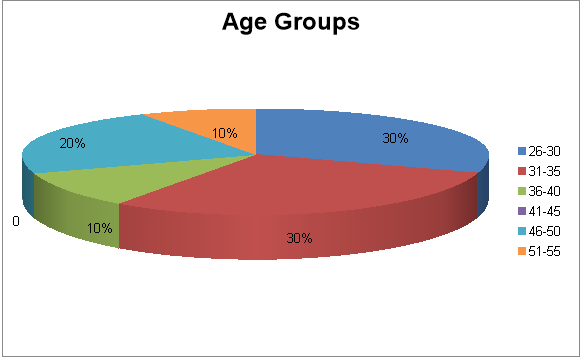
26-30 3 30
31-35 3 30
36-40 1 10
41-45 0 0
46-50 2 20
51-55 1 10
Total n = 10 n = 100


Graph


Interpretation

Majority of the respondents were between 26-30 and 31-35 age groups. 20% respondents were of 46-50 years of age and 10% respondents were of 36-40 and rest 10% belongs to 51-55 years of age.

Table 2. Sex

Sex F %
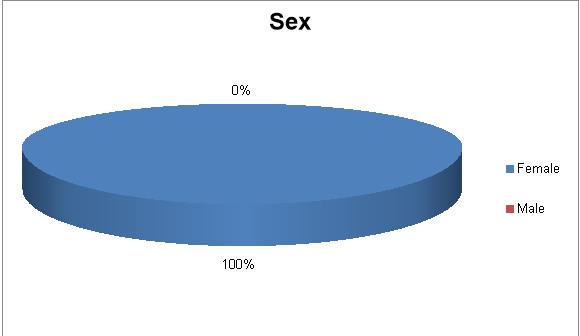
Female 10 100
Male 0 0
Total n = 10 n = 100


Graph


Interpretation

All the participants (healthcare assistants) were female working at CHT Royal Oak Rest Home.

Table.3 Ethnicity

Ethnicity F %
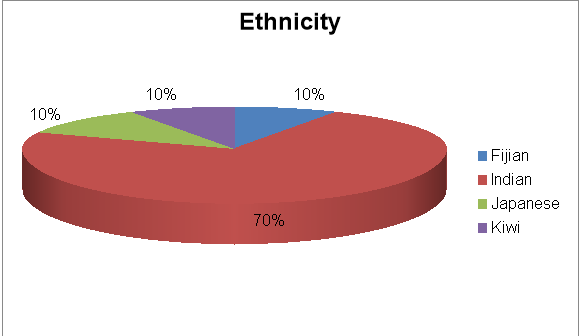
Indian 7 70
Fijian 1 10
Japanese 1 10
Kiwi 1 10
Total n = 10 n = 100


Graph


Interpretation

Majority of the participants were Indian (70%). Rest 30% of the participants were Fijian, Japanese and Kiwi respectively.

Table 3. Work Status

Work Status F %
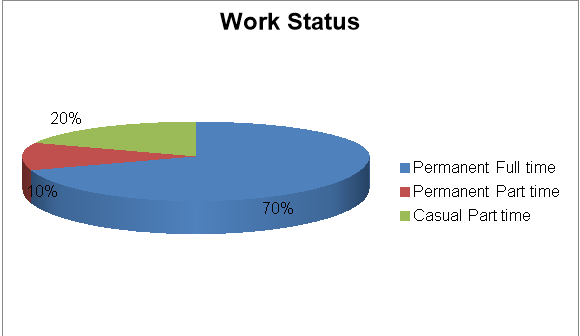
Permanent Full time 7 70
Permanent Part time 1 10
Casual Part time 2 20
Total n = 10 n = 100


Graph


Interpretation

70% of the participants (Healthcare Assistants) were permanent full time employees whereas 20% of the participants were casual part time and 10% participants were permanent part time employees.


Part II. Data Analysis and findings

This research finding indicated that the best practices for fall prevention used by Healthcare Assistants were use of aids such as wheelchair and stick (50%), hazard identification (40%), signs for wet floor (30%), care plans and monitoring (30%), clutter free environment (30%), bell ring (10%) and sensor mat (10%).

The immediate interventions used by healthcare assistants if they encountered fall incidence were injury risk assessment (50%), fill the ACC incident form (50%), ask help from others (50%), first aid (40%), inform nurse (40%), call ambulance (30%), give reassurance to the residents (20%) and use hoist (20%).

This research indicated that CHT Royal Oak rest home provides ongoing training to all the staff of the organisation about moving and handling the residents.

Furthermore, the fall incidence was being reported and documented by healthcare assistants by filling ACC incidence/Accident forms (100%), informing manager, Register Nurse and family (50%) and using progress notes (20%).


Implication

The use of best practices to prevent fall at rest home engaged the healthcare assistants to increase confidence, knowledge, skills and abilities in the identification of residents within health care facilities at risk of falling and to define interventions for the prevention of falling in order to achieve the vision of the organisation.


Recommendation

Although, CHT Royal Oak is competent enough to practice best interventions to prevent fall, there is always room for continuous improvement. It is hereby recommended that manager should assess and document all resident for intrinsic risk factors to fall such as history of a recent fall, specific co-morbidities: dementia, hip fracture, type 2 diabetes, Parkinson’s disease, arthritis, and depression and any functional disability or use of assistive device. Furthermore, patient care environment should also be assessed routinely for extrinsic risk factors to fall such as floor surfaces for spills, wet areas, unevenness, proper level of illumination and functioning of lights (night light works), table tops, furniture, beds should be sturdy and are in good repair and if needed, institute corrective actions. It is recommended to use standardized environmental checklists to document findings and re-evaluate environment for safety.

Moreover, the healthcare staff should promote early mobility and incorporate measures to increase mobility, such as daily walking, balance training, strengthening and weight bearing exercise, if medically stable and not otherwise contraindicated. General safety precaution and fall prevention strategies such as medication review; use of proper footwear, proper continence management should be implemented. Multidisciplinary plan of care for prevention and follow up monitoring should be done to prevent falls in healthcare organisation.

In addition to that, education regarding procedures to follow in the event of a fall should be provided to the staff as well as to the residents. The goal of education among residents is to increase the awareness of falls risks and preventative strategies, thus decreasing the number and severity of falls. Education may improve the resident’s self-confidence therefore reducing the fear of falling.The most up to date information needs to be available and provided in order to educate residents effectively. All staff should be involved in this process, as each one is an important member of the health care team. Lastly, health care workers should be given training to increase their awareness of residents who are at risk of falling by giving them staff education brochure for fall, through visual aids and posters etc.


Conclusion

This study involved the healthcare assistants of CHT Royal Oak Ret Home to know the best practices among them to prevent fall in this facility. To sum up, the healthcare assistant showed quite good knowledge and awareness regarding best interventions they are using for fall prevention. Regular ongoing training for fall prevention was provided to all the staffs of CHT Royal Oak Home. Furthermore, fall prevention practices constitute the basics of patient safety. They apply across all rest home areas and help safeguard not only residents, but also visitors and staff in many cases. By this way, this research helps to improve and to better understand the best interventions that are used by healthcare staff and to implement the best policy to prevent fall worldwide.


Related content


References

CHT. (2015). About us. Retrieved from http://www.cht.co.nz/about-us-2/

Creswell, J. W. (2003). Research design: Qualitative, quantitative, and mixed method approaches. Thousand Oaks, CA: Sage Publications. Retrieved from

http://isites.harvard.edu/fs/docs/icb.topic1334586.files/2003_Creswell_A%20F ramework%20for%20Design.pdf

Gama, Z. A., Medina-Mirapeix, F., & Saturno, P. J. (2011). Ensuring Evidence-Based Practices for Falls Prevention in a Nursing Home Setting.

Journal of the


American Medical Directors Association,


12

(6), 398-402. doi:10.1016/j.jamda.2011.01.008

Health Quality & Safety Commission New Zealand. (2014). Falls in older people: the impacts. Retrieved from

http://www.hqsc.govt.nz/assets/Falls/10- Topics/topic1-falls-in-older-people-15-April-2014.pdf

Ministry of Health. (2016). What is an interventions. Retrieved from health.mo.gov/data/interventionmica/index_4.html

Nass, S. J., Levit, L. A., Gostin, L. O., & Institute of Medicine (U.S.). (2009). Beyond the HIPAA privacy rule: Enhancing privacy, improving health through research. Washington, DC: National Academies Press.

Phelan, E. A., Aerts, S., Dowler, D., Eckstrom, E., & Casey, C. M. (2016). Adoption of Evidence-Based Fall Prevention Practices in Primary Care for Older Adults with a History of Falls.

Frontiers in Public Health,


4.

doi:10.3389/fpubh.2016.00190

Shever, L. L., Titler, M. G., Mackin, M. L., & Kueny, A. (2010). Fall Prevention Practices in Adult Medical-Surgical Nursing Units Described by Nurse Managers.

Western Journal of Nursing Research,


33

(3), 385-397. doi:10.1177/0193945910379217

World Health Organisation. (2016). Falls. Retrieved from http://www.who.int/mediacentre/factsheets/fs344/en/


Ethical Analysis of Social Media Sharing in Nursing


Introduction

This essay will discuss about Anh who is a Registered Nurse (RN) working on the orthopedic ward of a tertiary hospital after completing her TPPP. She was working with most of the elderly and semi- dependent patient, which was being interesting and engaging for her. However, Anh has been assigned to one of the patient named Maddie who is relatively close to her age. In addition to that, she has enjoyed talking with Maddie and found many similar interests while helping her with her ADLs, dressings and exercises. However, while getting ready for discharge Maddie requests for Anh’s personal details to get connected in social media after discharge. Hence, Anh’s decision for this ethical dilemma will be discussed below by identifying and interrogating different ethical views and ethical values. The situation will be analyzed through ethical perspective. Similarly, the solution of this dilemma will be developed by using an ethical decision making model and ethical principles.


Identification of an ethical problem;


the collection of additional information to identify the problem and develop solutions;

In the given scenario, Anh is in ethical dilemma whether to give Maddie her personal contact or not. An ethical dilemma refers to a conflict amongst alternatives where some ethical principle will be negotiated no matter what a person does (Staunton & Chiarella, 2013). Hence, Anh as an RN will follow the Code of Ethics, standard of practice and code of conduct of RN to make decisions as per ethical values that does not harm her profession. Ethics is a central part of nursing practice and a vital feature of good. The decision-making processes in nursing are directed by nursing ethics (Manfrin-Ledet, Porche & Eymard, 2015).). Ethical decision making can be defined as a process of choosing and evaluating the alternatives in a manner reliable with ethical principles (Baysal, Sari & Erdem, 2018). As stated by Staunton & Chiarella (2013), ethical decision-making process includes nurse’s education and their own learned possible inhibitors, such as professional and personal experiences, culture and beliefs. As stated in (Alba, 2018)that ethical conflicts in nursing practice are on the growth with an aging society, changes in the financial status, technological advances, limited resources, culturally and religiously diverse population and changing public expectations of the healthcare system. Thus, the following model has been identified to evaluate and resolve the ethical dilemma which includes several steps and criteria (Toren & Wagner, 2010).

      Define the ethical dilemma;

      Clarify the personal and

professional values

, ethical principles and laws involved;

      Identify the alternatives for action & choose an action;

      Generalize the solution to other similar cases in future.


Define the ethical dilemma

: As described above, ethical dilemma is a situation where choice between two options needs to be made which resolves the situation in an ethically acceptable manner (Baker, 2013). In this given scenario, Anh an RN is in ethical dilemma as she has been asked by one of the patient’s named Maddie to stay connected through social media after getting discharged from hospital.


Clarify the personal and professional values, ethical principles and laws involved

: Personal values are grounded on what a person gives importance in the dilemma situation. For instance, doing no harm, maintaining his/ her professional integrity or keeping assurance (Toren & Wagner, 2010). In this case, Anh has to choose which one she values the most her professional values or Maddie’s request. As a nurse, she should be professionally capable to consider different situations and make the right choices that deliberate all possible alternate solutions before making ethical decisions.  Similarly, professional values based on morals, ethics and standards of the profession which needs to be maintained during the dilemma situation (Schmidit & Mcarthur, 2018). As a registered nurse it is important to maintain the scope of practice and professional boundaries. Professional boundaries distinguish the therapeutic behavior of the nurse from any other behavior that could decrease the benefit of care to the patient.  Boundary crossings can cause potential significances and implication to the nurse and the person who is involved in the care (Nursing and Midwifery Board of Australia, 2010). Inspite of having similar age, gender and common interests, professionalism should be at peak for Anh which should be prioritized by her while taking decisions. Similarly, the relation of Maddie and Anh is a nurse and patient in every situation which cannot be unnoticed in any form (Manfrin-Ledet, Porche & Eymard, 2015).

As mentioned in NMBA standard 2 “engages in therapeutic and professionals” the registered nurse should establish, sustain and determines the relationships in an approach that should differentiate the boundaries between professional and personal relationships (Nursing and Midwifery Board Australia, 2016). Anh should maintain this standard as being an RN she is responsible and accountable to NMBA (Baker, 2013). In addition to that, standard 6 mentions about “providing safe, appropriate and responsive quality nursing practice”. In view of that, Anh has to practice as per relevant guidelines, policies, standards, legislations and regulations without thinking about her personal values in order to maintain professionalism and ethics of nursing (Nursing and Midwifery Board Australia, 2016). Furthermore, the code of conduct for nurses involves professional behavior in the domain “act with professional integrity” under principle 4.1 “professional boundaries”. Consequently, Anh should should maintain professional boundaries for promoting patient centered care (Nursing and Midwifery Board Australia, 2018).

According to Health and Community Services Complaints Regulations of South Australia (2019) it has been stated that a health care worker must not involve in an inappropriate close personal, emotional or physical relationship with a client. Anh should consider the law and think about the consequences that can occur by breaching the law. As a health professional, Ann must take therapeutic relationship with patients seriously and examine her feelings and motives and how they affect her ability to practice ethically (Hall, 2011).


Identify the alternatives for action & choose an action

: In this scenario, Anh is accountable to manage Maddie’s expectation by maintaining professional boundary.  Without hurting the feelings of Maddie, Anh should explain about the professional standard and boundary of a nurse and the significances that can occur after crossing that boundary. Instead of giving her personal details to Maddie Anh can give her work phone number or work email address by explaining Maddie that it is not ethical to provide personal details or talking with her in social media (Baker, 2013). Social media refers to the online and mobile tools which includes websites and applications  that can be used to share opinions, information, images, experiences, video and audio clips (Baker, 2013). According to the Nursing and Midwifery Board of Australia (2014), using social media as a form of contact with patient comes under boundary crossing which  can cause potential implications for the health professional. The relationship between a nurse and patient has been based on effective clinical medicine, which is significant for patient health (Baca, 2011).

Alike friendship which evolves from more than a month or a few years, the relationship of nurse-patient also develops in a caring context which ends after achieving the goal of care plan or when the patient gets discharged (Baca, 2011). Anh can explain Maddie if she gets connected with her in social media she might breach the social media policy which was developed by National boards for helping registered health care professionals to understand their obligations while using social media (Nursing and Midwifery Board of Australia, 2017). Hence, by communicating effectively with Maddie about all these consequences Anh should end the therapeutic relationship with Maddie positively at the time of discharge.


Generalize the solution to other similar cases in future:

On future Anh should always maintain the therapeutic relationship with the patient, which is also called “zone of helpfulness” in a continuum of professional behavior. If anyone crosses this and goes in over involvement such as boundary crossings, then it affects the person and profession (Nursing and Midwifery Board of Australia, 2010).  Similarly, she should not disclose personal information inappropriately while delivering care which is inconsistent with the code of conduct of the RN. If it feels like a boundary have been crossed then she need to seek help from her supervisor.

As stated by Beauchamp and Childress cited in (Flite & Harman, 2013), there are four core ethical principles, i.e. beneficence (do well), autonomy (control of the individual), non-maleficence (do not harm) and justice (fairness).


Considering the four principles

Beneficence can be described as nurse’s action which promotes good action to help others and often described as the principle of “above all, do good” (Flite & Harman, 2013). This desire to do good is undoubtedly what motivates most health care practitioners. However, it is valuable to recognize that one’s idea of what constitutes “doing good” may go against the policy of an institution. Similarly, getting connected with Maddie in social media can be taken as breaching the social media policy of registered health care professionals. There is no doubt that social media provide benefit to all the professions in huge amounts, but incorrect use of this can result legal problems such as malpractice claim, penalizing action from NMBA, job termination. This can affect in Anh’s nursing license and career negatively (Baker, 2013). As well as it can also affect Maddie’s privacy and confidentiality so Anh can provide work phone number so that Maddie can contact in the ward if she needs any help.

Non- maleficence is similar to beneficence, but it refers to not harming individuals or least harm for getting beneficial outcome. The principle of non-maleficence revolves around the concept of harm (Tiruneh & Ayele, 2018). Harm brings about pain and, hence, in the given scenario, Anh rejecting to provide  contact information can cause emotional distress to Maddie which will have an effect on her recovery. Anh should explain Maddie that she cannot give personal detail in a manner that it does not hurt or harm Maddie. Thus, Anh should find alternative solution remaining with the ethical practice which does not have affects Maddie while going home.

Autonomy refers to a person’s ability to control what happens to us and how we behave (Skar, 2010). It is an important ethical principle as it involves respect for an individual and their personal space. Hence, in the given scenario Anh as a nurse should convince Maddie and explain that she can’t accept her proposal by respecting the ethical values and professional boundary. If they get connected in social media their communication and activities can be visible to others which can make trouble for Anh along with Maddie (Baker, 2013). As well as Anh might present Maddie’s data to other unintentionally which might affect Maddie’s personal space. Anh can breach her professional boundary and obligations as well as the privacy and confidentiality of Maddie.

There are two meanings of justice, i.e. justice as fairness and justice in relation to benefits and burdens (Tiruneh & Ayele, 2018). According to the principle of justice Anh should be fair and explain Maddie that during her stay in hospital Anh was treating Maddie in the same way as other patient despite her age, gender and similar interests. With this consideration in mind, Anh should clarify Maddy that her aim was to assist Maddy to achieve best quality of care rather than developing personal relationships.


Conclusion

In a nutshell,  this essay clearly demonstrated that nurses should perform ethically viable action by considering fundamental ethical principles. Identifying ethical conflicts that might occur in daily life and making decision by taking responsibility  of action is the duty of a  registered nurse.  Likewise, in this case scenario Anh was not able to distinguish whether or not to stay connected on social media, which created ethical dilemma. Similarly, she was not able to distinguish between professional and personal boundary. In the given scenario Anh was caring Maddie who got emotionally attached to Anh and ask her personal details to get connected in social media to continue their relationship after discharge. Hence, two ethical issues have been identified through the scenario which are breaching professional boundaries of nursing and breach of health care professional social media policy. Similarly, Anh should explain Maddie about the professional boundaries of nursing and the result of breaching it by communicating effectively. As well as she can recommend her to make new friends and can give work phone number by explaining that it is unethical for her to give personal details in a professional manner.


REFERENCES

“Factors Influencing the Choice of a Healthcare Career in Medicine and Nursing among Emiratis Abstract.

“Factors Influencing the Choice of a Healthcare Career in Medicine and Nursing among Emiratis
Abstract.

The United Arab Emirates (UAE) has been experiencing a rampant shortage of nurses and other medical practitioners particularly those of UAE origin for the past few decades. This is attributed to the fact that most of the UAE nationals are not willing to pursue careers in the healthcare sector due to numerous factors an aspect that has forced the country to rely on expatriate medical practitioners. The purpose of this dissertation is to establish the factors that influence the choice of a healthcare career in medicine and nursing among Emiratis as well as propose possible initiatives that can be implemented to encourage UAE nationals pursue careers in the healthcare sector. The study is conducted using a qualitative research approach whereby the primary data collection instrument used is phenomenological interviewing and supplemented by collection of data from secondary sources. Findings made in this study reveal that low remunerations inadequate training facilities and poor public perception about the nursing profession among others are the leading preventative factors. As a result the study has proposed a review of the medical practitioners salaries establishment of more training medical centres and launching a national wide campaign to sensitize the public about the important roles played by nurses in the economic development of UAE among other initiatives as a way of encouraging more Emiratis pursue careers in the healthcare sector.

Causal Explanations of Dyslexia


Introduction

Poor decoding and spelling abilities along with difficulties in precise and fluent recognition of words characterise the learning disability of dyslexia (International Dyslexia Association, 2001). Despite the extensive scientific attention that dyslexia has received there is still much debate about its causal explanation. Recently, Stoodly and Stein (2012) have pointed out that reading is only incidentally affected by this highly heritable neurobiological syndrome with multi-factorial aetiology. For example, it has been found that dyslexics exhibit various difficulties even in motor skills (Ramus, Pidgeon & Frith, 2003; Fawcett & Nicolson, 1995b;), mathematics (Ackerman & Dykman, 1995), balance (Yap & van der Leij, 1994), rapid processing (Nicolson & Fawcett, 1994a) and working memory (Ramus et al., 2003; Nicolson, Fawcett & Dean, 2001). Hence, the essay’s intention is to provide a brief overview of the most established causal explanations, before ultimately focus to the cerebellar deficit hypothesis.

Phonological deficit hypothesis – (PDH)

The majority of dyslexia’s research was dominated by the phonological and magnocellular deficit hypotheses. According to Castles and Friedman (2014), the PDH refers to a wide range of disabilities that derive from the production, perception, manipulation or retention of speech sounds. More specifically, the PDH states that the breaking of the spoken words into phonemes or syllables is the main cause of dyslexics’ reading problems (Nicolson & Fawcett, 2001). The theory’s most compelling arguments are its direct relationship with the way that humans learn how to read, as the phonological module is the language’s most basic level (Shaywitz, Morris, & Shaywitz, 2008), and the fact that almost all dyslexic children exhibit some kind of phonological deficiency (Stanovich, 1988a). However, the last view is highly debatable with Dehaene (2009) to be one of its strongest advocates and Ramus et al. (2003) and White et al. (2006) to reject it after discovering that some of their dyslectic participants exhibited only visual and no phonological deficiencies. Furthermore, PDH fails to explain dyslexia’s several secondary deficits, such as balance, memory, visual processing, mild motor coordination, etc. (Nicolson, Fawcett, Brookes & Needle, 2010).

Double deficit hypothesis – (DDH)

This theory emerged due to growing evidence that some dyslexic children with poor comprehension and sufficient decoding skills could not be diagnosed as dyslexic, because their symptoms could not be identified as phonological processing deficiencies (Vukovic & Siegel, 2006). Thus, Wolf and Bowers (1999) in order to address this problem proposed that readers should be classified according to their adequacy or inadequacy in the cognitive skills of speed naming and phonological processing, with those showing deficiencies in both (DDH) to exhibit the most reading difficulties. This theory was further supported by Turkeltaubetal, Gareau, Flowers, Zeffiro and Eden (2003) who proved that rapid automatising naming-RAN and phonological awareness-PA activated different brain regions. However, Vukovits and Siegel (2006) pointed out that some studies, including theirs, have failed to prove that RAN has a connection with reading development, thus providing limited support to the DDH. Nonetheless, a recent study provided neuroimaging evidence of the involvement of separated brain systems in the processing of the PA and RAN skills, strengthening even more the DDH (Norton et al., 2014). Despite the inconsistent data DDH provides a good explanation about dyslexia’s core symptoms, but fails to take into account the whole spectrum of its various subtypes.

Magnocellular deficit hypothesis – (MDH)

The MDH postulates that dyslexics’ reading problems emerge from their atypical visual or auditory magnocellular pathway-MP, which leads to sensory processing problems (Eden, 1996) due to its underdeveloped large neurones (Stein & Talcott, 1999). The hypothesis’ most supportive data came from a post-mortem study in the brains of dyslexics, demonstrating that in the lateral geniculate nucleus the neurones in the MP were misplaced and shrunk by 30% than the controls’ (Galaburda and Livingstone, 1993). This theory has long been confirmed by Lovegrove, Martin, Blackwood, and Badcock, (1980), who proved that dyslexics not only shown lower contrast sensitivity at high temporal frequencies, but at low spatial as well. They also proved that dyslexics’ contrast sensitivity at the high spatial frequencies was enhanced, a finding also confirmed by Mason, Cornelissen, Fowler and Stein (1993). However, despite the above findings, inconsistent data from subsequent studies gave rise to controversies about the MDH’s validity (see Scottum, 2000), as it became clear that the impairment was mild and not present in all the dyslexics (Stein, Talcott, & Walsh, 2000). Additionally, studies with small number of participants have failed to replicate Lovegrove’s et al. (1980) findings, probably due to the usage of inappropriate tests (not sensitive) or participants.

Cerebellar deficit hypothesis – (CDH)

Even though the MDH is adequately explaining some of dyslexia’s core manifestations it does not address the common problems of clumsiness, dysgraphia, automating skills, balance, fluency etc. The Automatization deficit hypothesis-ADH (Nicolson & Fawcett, 1990) emerged to explain some of the above difficulties, but was not able to specify the underlying brain structure (Fawcett & Nicolson, 2004). Hence, the CDH came to address this shortcoming and merged ADH’s cognitive level explanation with its neurological. Thus, one of the CDH’s strengths was its ability to explicate these non literacy problems, which were pointing out the cerebellum and led to its identification as dyslexia’s underlying neurological structure. One of the reasons that the cerebellum was not associated with dyslexia earlier was the notion that it had no relationship with the language. However, Fullbright et al. (1999), proved that reading did involved the cerebellum, a finding also supported by Scott et al. (2001), who discovered that tumours in the cerebellum were often associated with reading problems. After the emergence of the CDH a number of studies came into sight and provided further support. Specifically, anatomical cerebellar differences were revealed in dyslexics’ grey matter, as it was considerably reduced in both sides of their cerebellar nuclei (Brambati et al., 2004), a discovery recently reconfirmed by Stoodley (2014). However, cerebellar irregularities could not be identified either by Hoeft et al. (2007) or Silani et al. (2005), but this might was due to the selection criteria or dyslexics’ wide heterogeneity of symptoms. Concerning dyslexics’ balance difficulties-BD it was found that they were linked to the cerebellum and served as a by-product of dyslexia (Moe-Nilssen, Helbostad, Talcott & Toennessen, 2003), a view also acknowledge by Needle, Fawcett and Nicolson (2007), but not accepted by Loras, Sigmundsson, Stensdotter, and Talcott (2014). Their experiments demonstrated a lack in significant statistical connection between reading and balance in healthy subjects and thus they suggested that when reading problems exist BD could not be accounted as a reliable measurement for the assessment of dyslexia risk (Loras et al., 2014). Although, this in contrast with Viholainen et al. (2011), who did found a correlation and suggested that balance and reading seemed to share a genetic mechanism. This inconsistency maybe explained due to the possibility that this relationship only lies in individuals with some kind of disorder or is just the result of disorder comorbidity. Additionally, studies have revealed that compared to the control group, dyslexics’ volume of the right anterior lobe was significantly smaller (Eckert et al., 2003) and their cerebellum was particularly symmetrical (Rae et al, 2002). On the other hand, CDH generated significant controversy as some of its critics claimed that the cerebellum is just an “innocent bystander” and not dyslexia’s causal factor, because it might receives compromised input from other cortical or sensory brain areas (Zeffiro & Eden, 2001). Even though that this argument seems quite logical, there are not enough data to either support or reject it and only future research will shed further light. After all, in neuroscience research there are not only black and white findings. Furthermore, it is being claimed that cerebellar dysfunction cannot elucidate the whole range of dyslexia’s cases (Stoodley & Stein, 2011) and neither is only specific to dyslexia as it also appears to other deficits, such as Attention Deficit Hyperactivity Disorder or developmental coordination disorder (Rabeger & Wimmer, 2003; Ramus et al., 2003a). According to Stoodley and Stein (2011), there is also the criticism that the cerebellum is not involved in reading and is only responsible for motor skills, but it seems that this has already been refuted with several studies highlighting cerebellum’s involvement in reading (Turkeltaub, Eden, Jones, & Zeffiro, 2002), in modulating and refining language (Murdoch and Whelan, 2007), and even in rhyming (Booth, Wood, Lu, Houk & Bitanet, 2007), but no consensus has yet been established. With no doubt there is some truth in each of these criticisms, but more and more data provide a stronger support to the CDH.

Conclusion

It is undeniable that each hypothesis adds a little bit to the general picture and explains dyslexia’s causality from a different angle, by overlapping and complementing each another. Future research should focus more on imaging studies in order to identify each underlying neural mechanism related to dyslexia and aim to a unified deficit theory, possibly with many subtypes, so children with dyslexia could be taught and treated properly. This would also provide the opportunity to master the learning mechanisms and contribute to the cure/management of other learning disabilities as well.

Alarm Fatigue: Response Time to Bedside Monitors

Alarm Fatigue: Response Time to Bedside Monitors

One thing I believe to be overlooked at in my practicum setting are the alarms. Alarms are put in place to keep our patients safe, however, when no one responds to the alarms going off they aren’t doing much good. In the practicum setting I find that call lights and alarms go off for a good amount of time before they are responded to. The floor gets busy and chaotic during the day between rounds, discharges, admissions and then caring for the patients you have. As a nurse if you are in a patient’s room giving medications you can’t just drop everything and run to every alarm. This is why we have aides on the floor to help assist with things like this throughout the day. However, when there are only one or two aides for the entire floor this doesn’t always work, they get busy and have a lot of patients that need assistance with a lot of things. I believe response time to alarms as well as call lights should be looked at more. If a patient uses the call light but no one comes they could try to get up on their own putting themselves at risk for falling, which could then lead to injury.

For practicum I am at a community hospital. The hospital has 3 “spokes”, these spokes are for medical surgical patients. Each spoke contains about 20 beds, give or take a few. Each nurse is assigned up to 5 patients but no more than 5. Normally for each spoke we have 3-4 nurses and 1-2 CNA’s depending on the census. The doctors, nurse manager, social workers etc. travel throughout all 3 spokes for bedside rounds every morning with the patient and the patients nurse. This allows the patients to see their entire team while they are in the hospital. All the nurses on the spokes work 8 hour shifts with exception to the nurse manager who works 12-hour shifts.

As a student nurse my role is to be accountable for delivering care to patients with respect, while learning and also being aware of my limitations. Ways in which I do this is every morning at practicum we get our patient list. This includes who our patients are along with a print out of their chart. After given our assignments, my preceptor and I decide which patients would be most beneficial for me to take. Once assigned patients, my role is to go through their chart on the computer before going to see them incase anything was missed during report. I also check to see when they have medications due throughout the day during this time. I perform head to toe assessments, with a major focus on their admitting symptoms. For example, if I have a patient who has abdominal pain I will shift my main focus on things like bowel sounds, how the patient’s appetite is, their last bowel movement, pain level, where the pain is, pain upon pressure etc. The responsibility for charting my assessments after seeing each patient also falls on me. I find it easier to chart when the information is fresh in your mind and not waiting till the end of the day after you have done a million tasks. This also helps me with time management and having all of my charting done long before the shift is over and ensures I am ready at the end of the day to give reports. I dispense medications to my patients with my preceptor and throughout the day I perform whatever tasks need to be done. At the end of our shift my preceptor and I report off to the oncoming nurses.

Within almost all work settings there is a formal and informal power structure.When you have a formal power structure this means someone was specifically assigned to be in charge, delegate tasks etc. An informal power structure on the other hand is when a group follows and listens to one individual because that individual is respected. They were not assigned a position of power, rather they gained it through their peers. At my practicum setting I would say that it is more of a formal power structure setting. The nurse managers at my practicum facility are great though. There is one in particular who I really enjoy working with. Even though she is a manager and has say over everyone else she does not show it. She is always asking what she can do and there is nothing that she won’t help you with. If the floor is busy she will cover lunch breaks and really just helps wherever she can. Having strong leaders who are supportive and helpful allows for a cohesive work environment.

Working collaboratively is always the goal to providing the best patient care and there is always room for improvement. While call lights and bed alarms are put in place to ensure patient safety they are not always responded to quickly. Alarms are used for a variety of reasons to alert staff to the changes in patients’ status. Patients are weak and sometimes confused or recently had surgery, whatever the reason they need assistance. When a patient pushes the call bell or sets the bed alarm off the response time needs to be quick. They may try to get up on their own and this is when they could fall and get seriously injured. However, when staff is busy with other patients, response time is inconsistent and untimely.

Studies have determined that the lack of timely alarm responses expose patients to significant dangers. The problem is that alarms are easily triggered leading to many false alarms. Daniels (2014) professional nursing article explained that another problem is nurses sometime forget to reset alarms or disconnect alarms that are consistently going off (p. 66). This regular bombardment of alarms has led to a condition known as alarm fatigue. A condition in which nurses get so used to hearing the alarms that they disregard or become immune to the sounding alarms. A Johns Hopkin study recorded 563 alarms sounded per patient in one day in the ICU (Daniels, 2014). While most alarms are not life threatening about 1% are significant. The Joint Commission found that failure to respond quickly to alarms accounted for 80 deaths out of 98 alarm related incidents. Patients who fall are also at risk for things like serious bleeding, opening wounds, osteoporosis fractures and prolonging their hospital stay. In 2013, alarm fatigue was named the number one technology hazard (Daniels, 2014). Educating nurses on response time is an important step to increasing patient safety.

In some hospital environments, like the ICU, false alarms pull nurses away from high-priority tasks creating more patient safety hazards. Allan (2018) reported, “that for the fifth year in a row, reduction of clinical alarm harm is a Joint Commission National Patient Safety Goal” (p. 26). It has been found that alarm fatigue is caused by your brain not being able to process all the sensory information. As a result, sounds that don’t trigger a change in patient status are tuned out. With so many alarms and different alarm sounds going off daily important alerts can be missed. A QI project looked to establish if there was nurse awareness and if education or training would improve alarm fatigue. Twenty-three nurses participated in a pre-intervention nurse awareness survey and 13 agreed to participate in a post intervention survey. While the project focused on ICU nurses and had a small sample size it was determined that many nurses didn’t feel comfortable customizing alarm setting or understood alarm fatigue. After 8 weeks of education sessions there were clinical improvement in nurse awareness and reduction in alarm fatigue. The nurses participated in making educational posters, reviewing alarm data, discussing articles on alarm fatigue and exploring alarm management strategies. Weekly one-one beside sessions also provided promising interventions to improve nurse awareness and compliance.

In 2018, Oliveira, Machado, Santos and Almeida conducted a quantitative and observational research that looked at the response time of health professionals before sound alarm activation in an adult intensive care unit. Observations were conducted for 1 hour and data was collected during the morning shift over a seven-day period. In the 20 bed unit observers turned on a stopwatch and noted motive, the response time and the professional conduct.  All staff was observed and consisted of two nurses, ten technicians, two doctors, two physical therapists and a resident doctor on each shift. Any alarms that went off due to handling of patients were not included in the data. When alarms went off the observers turned on the stop watch and watched carefully for the conduct of health professional before the alarms, recorded response time and their analysis. The study found that out of 103 activations, 66.03% of the alarm sounded for more than 10 minutes and less than 26% were responded to in less than 5 minutes (Oliveira et al., 2018, p. 3037).  These findings clearly outline that patient safety is at risk. For example, a response time after ten minutes can cause irreversible damage for a patient in cardiopulmonary arrest. The research supports alarm fatigue and the desensitization caused by noise levels and continuous alarm soundings from machines like infusion pumps. The study’s limitations including collecting data from one location and having researchers present however, its findings are similar to many other studies. The results showed the delay in response time before the monitoring sounds alarm can cause important alarms to be underestimated and puts patients at risk.

Another study examined the response time in a pediatric intensive care unit and the general ward at a children’s hospital. The researchers looked to find if there was a connection between the exposure of nonactionable physiologic monitor alarms and response time. The PICU nurses usually had 2 patients while nurses in the medical ward had up to 4 patients. Using video recordings and time stamped data the nurses’ responses to alarms were recorded. The nurses were also asked to fill out a questionnaire to see if they felt like their performance differed because they knew they were being taped which 36 said yes. Over 210 hours, 20 sessions in the PICU and 20 sessions in the general ward were filmed. Tapping occurred Monday through Fridays from 9:00 AM to 6:00 PM. The median years of nursing experience was 4.8 years and the patients median age for the general ward was 6 months and 2.5 years old for the PICU. The filming collected 4674 alarms with a median range of 75 per session (Bonafide et al., 2015, p. 348). After review, 12.9% of the alarms in the PICU were actionable while 1.0% were actionable in the general ward. Then the researchers compared the response time when the nurses were not in the room in relation to the number of nonactionable alarms that had gone off in the 120 minutes prior. The study found that the nurses’ response time to alarms while they were out of the room increased as the number of nonactionable alarms increased, supporting the notion of alarm fatigue (Bonafide et al., 2015, p. 349). As high as 90% of alarms are found to be nonactionable. The limitations to the study included no initial measures, sample size, awareness of tapping and the time frame which the data was taken.

The research studies and professional articles support the idea of alarm fatigue and how being slowly desensitized can occur. There needs to be increased awareness, education and procedures put in place to support health professionals in order to increase patient safety. Staff development on alarm fatigue should be implemented because many staff members may not even be aware of the concept. Education and hands-on training for nurses on effective response time but also on the correct handling of equipment. Proposals like having nurses and support staff complete rounds on patients more often and having bedside handoffs in patients’ room. The biggest change should come from improving the environment by implementing alarm-reduction strategies. As part of admissions both patients and family members could be educated on the appropriate use of the call light and reviewed with shift changes. Shutting off bed alarms for patients that don’t require them and new technology that offer alarm systems that turn off automatically when a patient’s status is not changing. Education and changes in practices will need to occur to make improvements.

The first steps to improving patient safety by reducing alarm fatigue is to develop a quality improvement team (QI) to help carry out improvement strategies. This multidisciplinary team should consist of nurses, physicians, medical assistants, clinical engineers, patient risk management, health educators, clinical leaders/nurse managers and medical director. The first steps would be to review the current process, gather input from staff and identify challenges. This could be done by using on-line surveys and observations completed by patient risk managers, nursing managers and educators. Using this information an implementation of alarm-reduction strategies should focus on alarm setting being set to the specific patient. This means changing alarm defaults to match the patient’s medical condition to reduce false alarms. Some alarms that are considered non-actionable could use a flashing light verse an audible alarm. Staff should also be encouraged to regularly replace electrodes and use proper skin prep procedures to cut down false alarms. These changes will require education on how and why to customize the alarm settings. The team’s clinical engineers are the ones most familiar with how monitors work and can help with staff training. While health educators and clinical leaders/managers should focus on educating staff on what is alarm fatigue and protocols. A plan that lays out procedures for response and levels of responsibility. So, who is responsible to respond first to alarms and who would be backup.

Another area that can lead to reducing false alarms is better communication at handoffs. Communicating with medical assistants on some floors to help with call lights and alarms could be helpful. Hospitals that have nursing aides can be trained to respond to call lights and help with personal assistance, bathroom assistance and accidental pressings. In some cases, they simply will just make sure the patient stays seated and waits for the appropriate assistance. Patients will know that they have been acknowledged and help reduce their frustration level which may cause them to repeatedly press the call light. Nurses can educate patients and family members on the appropriate use of the call light. This should be reviewed with shift changes but regular check-ins need to be incorporated. Patients are more likely to ask for assistance during check-ins and rounds while caretakers are in the room.

Helping to carry out the changes things like proper signage in patient rooms to remind patients proper use of call lights. A nurses’ sign off sheet so everyone knows when the last alarm setting was done, checked, or replacement of electrodes. This should also include the default setting and if any changes had occurred. Research has shown that steps to reduce false alarms and reduce unnecessary alarms will increase patient safety. Nurses and medical staff will be more responsive to actionable alarms with effective response time.


References

  • Allan, S. H. (2018, May 10). Nurse perception of alarm fatigue impacts compliance with alarm management. Retrieved April 27, 2019, from

    https://www.americannursetoday.com/nurse-  perception-alarm-fatigue/
  • Bonafide, C. P., Lin, R., Zander, M., Graham, C. S., Paine, C. W., Rock, W., … Keren, R. (2015). Association between exposure to nonactionable physiologic monitor alarms and response time in a children’s hospital.

    Journal of hospital medicine

    ,

    10

    (6), 345–351. doi:10.1002/jhm.2331
  • Daniels, K. (2014, September). Fighting bed alarm fatigue in orthopedic units: Nursing2019. Retrieved April 27, 2019, from

    https://journals.lww.com/nursing/fulltext/2014/09000/
  • Formal vs. Informal Power: Two Paths to Social Success. (2019). Retrieved from http://www.peopleskillsdecoded.com/formal-vs-informal-power/
  • Oliveira, Adriana Elisa Carcereri de, Machado, Adrielle Barbosa, Santos, Edson Duque dos, & Almeida, Érika Bicalho de. (2018). Alarm fatigue and the implications for patient safety.

    Revista Brasileira de Enfermagem

    ,

    71

    (6), 3035 3040.

    https://dx.doi.org/10.1590/0034-7167-2017-0481
  • Porter-O’Grady, T., & Malloch, K. (2016).

    Leadership in nursing practice: Changing the landscape of health care.

    Burlington, MA: Jones & Bartlett Learning.

This problem set introduces you to the use of SPSS for analyzing data with more than one IV and more than one DV to investigate the comparison of means. You will perform a one-way between-subjects MAN

This problem set introduces you to the use of SPSS for analyzing data with more than one IV and more than one DV to investigate the comparison of means. You will perform a one-way between-subjects MANOVA on the data and report your output.

General Requirements:

Use the following information to ensure successful completion of the assignment:

  • Review “SPSS Access Instructions” for information on how to access SPSS for this assignment.
  • Download “Module 8 Problem Set” and use it for this assignment.

Directions:

Perform the following tasks to complete this assignment:

  1. Conduct necessary analyses using SPSS so you can answer the questions listed in the exercise.
  2. Submit your responses to the exercise questions as a Word document.
  3. Submit the SPSS Output files showing the analyses you performed in SPSS to compute the answers for related questions. (Note: You will need to copy the SPSS file to a Word doc for submission.)

204 adiscussionsspotlight and investigative reporting

https://xinghe.tv/play/25954475

Purposes: For today’s class, we will learn the processes of conducting investigative reports and skill sets required of journalists by watching the Academy Award’s 2016 Best Motion Picture of the Year: Spotlight.

Synopsis: Spotlight tells the riveting true story behind the 2003 Pulitzer Prize-winning Boston Global investigation that would rock the city and cause a crisis in one of the world’s oldest and most trusted institutions. When the newspaper’s tenacious “Spotlight” team of reporters delves into allegations of abuse in the Catholic Church, their year-long investigation uncovers a decades-long cover-up at the highest levels of Boston’s religious, legal, and government establishment, touching off a wave of revelations around the world.

Instructions: Watch the Spotlight on your own (or with friends). As you watch the movie, pay attention to the following questions and take some notes. Share your thoughts on this discussion thread.

Questions:

Spotlight: The four-person investigative team at the Boston Globe work closely and confidentially on the widespread historical abuse in the Catholic Church. When you watch the movie, pay attention to the role, work and responsibility of each reporter (and/ or editor). Use the space below to takes notes on what the journalists and editor did respectively. In particular, consider how they work both independently and collectively: in what situation/ scenario did they work independently, and what collectively?

People Trials: The key to successful investigative reports is to find and develop sources – both on background and on the record. This is what we call the “people trails”. Use the space below to take notes on the “people trails” in this movie: who did the journalists talk to? How many different directions of various sources have they followed? What documents/ records/ archives have they researched into?

Impact of Dementia on the Individual

Emotions and feelings

Individuals with dementia frequently involve changes in their passionate reactions. They may have less control over their sentiments and how they express them. For illustration, somebody may be bad tempered, or inclined to quick temperament changes or blowing up to things. They may too show up curiously uninterested in things or far off. These changes are regularly troublesome for carers to bargain with. It can offer assistance in the event that carers keep in mind that they are incompletely caused by harm to the person’s brain. Somebody may respond more sincerely to a circumstance than can be anticipated (eg by getting to be sorrowful or unsettled) since a few of their genuine recollections or capacity to think clearly almost the circumstance have declined. It is important to look past the words or practices you’ll be able see to the emotions that the individual could be attempting to express. Solid feelings may too be caused by neglected needs. Carers ought to attempt to work out what these needs are and meet them where conceivable.

Confidence and self-esteem

Dementia may cause individuals to feel unreliable and lose certainty in themselves and their capacities. They may feel they are not in control and may not believe their possess judgment. They may too involve the impacts of shame and social ‘demotion’ – not being treated the same way by individuals – as a result of their diagnosis. All of this may have a negative effect on the person’s self-esteem. Dementia may moreover have an backhanded impact on someone’s self-esteem by influencing other regions of a person’s life. Wellbeing issues, budgetary circumstances, work status and, vitally, connections with those around them may endure. A few individuals, in any case, shape unused connections as a result of their determination, through exercises such as going to a class or a back bunch. Tall self-esteem permits a few individuals to manage way better with persistent wellbeing conditions.


(Alzheimer’s Society, 2019)

Quality of life

For each individual, the definition of quality of life is distinctive and profoundly individual. One individual may characterize quality of life as getting a charge out of the excellence of a nightfall. Another individual may depict it as sharing an occasion celebration with family; revering at a church, synagogue or mosque; playing an amusement of bridge; washing a car; tuning in to music or tackling a crossword astound. Each individual includes an interesting standard of what has esteem and what gives quality to life. All those who take an interest within the lives of individuals with Alzheimer’s malady or other dementias ought to get it that, in spite of changes and misfortune of capacities, individuals with the infection can still discover joy and encounter fulfillment. As your infection advances, you may lose capacities that you simply may consider vital to quality of life. A few individuals think that quality of life is misplaced once an individual is analyzed with dementia. Others feel that quality of life can be kept up well into the infection handle. The infection, be that as it may, does not evacuate your capacity to appreciate, react to and involve sentiments such as outrage, fear, joy, love or pity. Whereas your indications are mellow to direct, you may likely know what gives you delight and contributes to your sense of well-being. You might like to seek help to adapt to changing capacities and take part in important exercises. Keep in mind that once you’ll now not make choices or choices, caregivers, family individuals or health-care suppliers will have to make choices for you, so it is critical to converse with them and let them know your wishes.


(Alzheimer.ca, 2017)

Independence

An individual with dementia may slowly lose their autonomy and end up more dependent on the care and back of others around them. This will be a difficult alter to form and can be upsetting for everybody included. It is vital that, where conceivable, families, friends and carers bolster the individual to do things for themselves instead of ‘taking over’. This increases the person’s well-being and makes a difference keep up their respect, certainty and self-esteem, instead of making them feel powerless or useless. The person’s endeavors to keep their freedom may cause struggle between them and others giving care and bolster. The individual may stand up to offer assistance since they do not need to acknowledge that things have ended up more troublesome for them or do not need to inquire for offer assistance. Carers and others ought to dodge expecting that the individual isn’t able to get it what is happening or contribute to a circumstance. It is imperative for the individual to be included as much as conceivable. This will cruel empower the individual with. Be that as it may, carers will ought to adjust the autonomy of the individual with dementia against any security concerns and the want to bolster the individual to remain secure and well.


(Alzheimer’s Society, 2019)

Identity

Investigate recommends that the onset and movement of dementia may posture a risk to a person’s sense of character. This subjective consider utilized Interpretative Phenomenological Investigation to investigate participants’ discernments of the affect of dementia on their personality. Members were ten individuals with dementia. The four topics developing from the information spoken to participants’ sees on perspectives of their current personalities, whether they accepted that dementia would modify their characters within the future, discernments of how dementia had influenced their way of life, and connections with companions and family. The analysis suggested that for the foremost portion, members felt that small had changed with regard to their characters as a entire, but most recognized highlights of themselves that were diverse than they had been earlier to the onset of dementia. In this way it showed up that members were in a state of flux, encountering both coherence and alter in their sense of character at the same time.


(Caddell and Clare, 2011).

Communication

How and when dialect issues create will depend on the person, as well as the sort of dementia and the organization it is at. These issues will too shift day to day. In a few shapes of dementia – such as frontotemporal dementia – it is exceptionally likely to be one of the primary side effects that’s taken note. One sign that a person’s dialect is being influenced by dementia is that they can’t discover the proper words. They may utilize a related word (eg ‘book’ for ‘newspaper’), utilize substitutes for words (eg ‘thing to sit on’ rather than chair) or may not discover any word at all. Another sign is that they may proceed to have familiar discourse, but without any meaning – for example, they may utilize cluttered up words and language structure. Dementia can too affect the person’s capacity to create an suitable reaction, either since they may not get it what you’ve got said or implied. There may in the long run come a time when the individual can barely communicate at all utilizing dialect. This will be troubling for them and those supporting them, but there are ways to preserve communication and support the individual to specific themselves. Dementia can too influence a person’s cognitive capacities. An individual with dementia may have a slower speed of thought, or not be able to get complex thoughts. This will too influence their capacity to communicate. For example, they may take longer to process thoughts and work out how to reply to what is being said. Other variables can influence an individual with dementia’s communication, counting torment, distress, illness or the side-effects of medicine. In case you suspect this may be happening, conversation to their GP.


(Alzheimer’s Society, 2019)

Relationships

Dementia can influence all perspectives of a person’s life, counting connections with family and friends. If you’ve been analyzed with dementia, you’ll likely discover that your connections with others will alter over time. If a part of your family or a companion has been analyzed with dementia, or you’re caring for somebody with dementia, your relationship with that individual will change. It’s imperative to keep in mind that everyone experiences dementia in an unexpected way. But with the correct offer assistance and bolster, connections can still be positive and caring. As the indications of dementia decline over time, it’s likely that you’ll require additional offer assistance and support. If you’ve been utilized to over-seeing your possessor or the family’s monetary and social undertakings, this will be hard to accept. It can also be troublesome for the individual who presently has got to assist you, as the adjust of your relationship with them will alter. It’s critical to conversation almost your sentiments and disappointments. It’s moreover vital to keep in contact with family and friends. And attempt to form unused fellowships through nearby exercises and bolster groups.


(NHS Choices, 2019)