Meningitis: Risk Factors- Pathophysiology and Clinical Manifestations


Meningitis

Meningitis can be a life-threatening disease involving both the brain and spinal cord. The complexity of meningitis varies with the cause, which could be: viruses, bacteria, fungi or parasites (Janowski,, 2017). The name meningitis describes inflammation of the meninges, which may include swelling of cerebrospinal spinal fluid; the fluid that surrounds and protect the brain and spinal cord (Anna, 2017). Bacterial meningitis is the most fatal form of the disease because of the mental and physical impairment it can cause. The bacteria involved with meningitis is transmitted from person-to-person through droplets of respiratory or throat secretions from carriers. Also; prolonged contact such as coughing, sneezing or kissing with an infected person may also spread the disease.

The common causes of bacterial meningitis stem from Neisseria Meningitis (meningococcus) & Streptococcus pneumoniae (Mei-Fang, 2017),  once these pathogens spread they can colonize the mucosa of the nasopharynx and oropharynx. People who suffer from meningitis are usually symptomatic (showing symptoms); these symptoms may include stiff neck, nausea, and vomiting, seizures.

Infants with meningitis may feel irritable or lethargic and have poor feeding. The most common method of diagnosis of meningitis is Lumbar puncture. Lumbar puncture includes sampling the cerebrospinal fluid, in which; the patient lumbar area is sterilized and a sterile needle is inserted to withdraw CSF. The testing of the lumbar puncture is crucial for determining if the patient has bacterial, viral or fungal meningitis (Koczula, 2017)


Etiology and Risk Factors

The causative agents causing bacterial meningitis are Streptococcus pneumoniae and Neisseria meningitidis. S. pneumoniae is a bacterium that invades the body and travels to the lower respiratory system, primarily the lungs. Once S. pneumoniae has reached the lungs, the bacteria then multiply, attacking lung tissue.  N. meningitidis is an infection that affects only humans because there’s no animal reservoir. The bacteria are transmitted through person to person droplet of respiratory secretions from carriers.

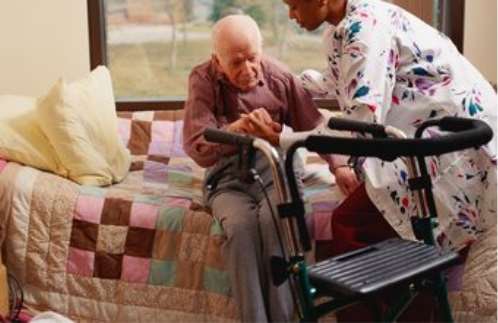
When N. meningitidis is carried out within the throat, it sometimes overwhelms the body’s defense, allowing the bacteria to spread through the bloodstream to the brain (Deidra, 2016). Age is a significant risk factor for Bacterial meningitis. Age is an extreme risk factor when acquiring bacterial meningitis, especially in neonatal & geriatrics patients because neonatal patients have an underdeveloped immune system and geriatric patients have a weakened immune system. Many underlying issues may increase the risk of an older person to acquire bacterially, for example; a transplant patient who’s on immunosuppressants, or those who have experienced a bacterial infection in the past. Many of these epidemiological studies document that pneumonia, diabetes, renal or hepatic failure, or other chronic underlying diseases are associated with bacterial meningitis in older adults (Chester, 2016).

At a cellular level, the bacteria penetrate the host cells to initiate a local infection, which causes systematic effects. When the bacteria reach the bloodstream, it will ultimately enter the brain to invade the central nervous system, once this occurs inflammation of the meninges will take place this will increase the permeability of the blood-brain barrier leading to cerebral spinal fluid pleocytosis and infiltration of the nervous system tissue. Once the central nervous tissue is injured, there is a possible result of cerebral ischemia, edema and increased intracranial pressure (Kim, 2017).


Pathophysiology

Meningitis is mainly known to be caused by an infectious agent that takes over and colonizes an infection somewhere in the host. (Hasbun, 2018, para.1) The parts of the body that are susceptible and common for infection are the skin, respiratory tract, gastrointestinal tract and lastly the genitourinary tract. According to Medscape, the organism invades the sub mucosa in the body by bringing the defenses of that individual down first which then causes them to be more susceptible and weak, it does this by invading physical barriers, messing with the local immunity, and phagocytes or macrophages (Hasbun, 2018, para.

2). The type of agent that invades could be three different agents, bacteria, fungal, or a parasite.  If it gains access to the central nervous system it causes meningeal disease through one of the three different major pathways which are: Invasion of the bloodstream, a retrograde neuronal or lastly a direct contiguous spread. According to Husbun, MD the most common form of spread is the invasion of the blood stream and subsequent seeding (Husbun, 2018, para.

3). The blood- brain barrier becomes disrupted and once the bacteria or other organisms have found their way into the brain they have a special effect and they isolate themselves from the immune system and they spread. Medscape explains how if the body tries to fight the infection it can make everything worse because the blood vessels become leaky and allow fluid, white blood cells and other particles that help fight infection to enter the meninges and the brain causing it to swell. The main source of swelling and inflammation of the body is due to the white blood cells and other fighting infection particles invading the brain. When there is inflammation, the body is weaker and susceptible for more damage. Brain swelling decreases blood flow to certain areas of the brain and this worsens the symptoms of infection. Meningitis causes increased intracranial pressure due to many proinflammatory molecules as well as mechanical elements.


Clinical Manifestations

Meningitis can be expressed by various signs and symptoms. When determining the presence of meningitis the patient may experience flu like symptoms, these symptoms include: high fever, intense headache, nuchal rigidity, photophobia, nausea, and back pain (Mayo Clinic, 2019). These signs are caused by meningeal irritation.

In order to diagnosis a patient with meningitis, the patient will experience signs and symptoms of: leukocytosis, vomiting, irritability, seizures, and lethargy which can progress into a stupor. These signs and symptoms are indicators of increased intracranial pressure, the increased pressure is an indication that meningitis is present. Some potential complications of meningitis include hydrocephalus and cranial nerve damage. If the patient leaves these complications untreated it can cause severe disabilities and even death; the patient can also experience a deterioration of mental functioning, difficulty walking, and reduced conscious state. This is why it is best to treat this condition early on to avoid the complications.


Diagnosis

To determine if a patient has Meningitis, the patient has to obtained by lumbar puncture, confirms the diagnosis (Hubert & VanMeter, 2018). To know when it is present, the CSF often shows a low sugar (glucose) level along with an increased white blood cell count and increased protein (Mayo Clinic, 2019). We can also find the causative agent in the blood which means that the patient blood needs to be cultured. A sample may also be placed on a slide and stained (Gram’s stain), then studied under a microscope for the specific type of bacteria (Mayo Clinic, 2018). According to Heidi Moawad (2018), Funduscopic exam, Electroencephalogram, Spine MRI and so on are other ways to diagnose a patient if he or she has Meningitis.

References:

  • Chester Choi; Bacterial Meningitis in Aging Adults,

    Clinical Infectious Diseases

    , Volume 33, Issue 8, 15 October 2016 Pages 1380–1385,
  • Deidra, N., Daemen, I., Verstappen, K., de Greeff, A., Smith, H., & Duim, B. (2016). Simultaneous Quantification and Differentiation of Streptococcus suis Serotypes 2 and 9 by Quantitative Real-Time PCR, Evaluated in Tonsillar and Nasal Samples of Pigs. Pathogens (Basel, Switzerland), 5(3), 46. doi:10.3390/pathogens5030046
  • Hubert, R. J., & VanMeter, K. (2018).

    Goulds pathophysiology for the health professions

    . St. Louis, MO: Elsevier.
  • Janowski, A., & Newland, J. (2017). Of the Phrensy: an update on the epidemiology and pathogenesis of bacterial meningitis in the pediatric population.

    F1000Research

    ,

    6

    , F1000 Faculty Rev-86. doi:10.12688/f1000research.8533.1
  • Kim, B. J., Bee, O. B., McDonagh, M. A., Stebbins, M. J., Palecek, S. P., Doran, K. S., & Shusta, E. V. (2017). Modeling Group B

    Streptococcus

    and Blood-Brain Barrier Interaction by Using Induced Pluripotent Stem Cell-Derived Brain Endothelial Cells.

    mSphere

    ,

    2

    (6), e00398-17. doi:10.1128/mSphere.00398-17
  • Koczula, A., Jarek, M., Visscher, C., Valentin-Weigand, P., Goethe, R., & Willenborg, J. (2017).
  • Mayo Clinic. (2019, January 08). Meningitis. Retrieved February 12, 2019, from


    https://www.mayoclinic.org/diseases-conditions/meningitis/symptoms-causes/syc-20350508

  • Mayo Clinic. (2019, January 08). Meningitis. Retrieved February 12, 2019, from


    https://www.mayoclinic.org/diseases-conditions/meningitis/diagnosis-treatment/drc-20350514

  • Meningitis. (2019, February 02). Retrieved from

    https://emedicine.medscape.com/article/232915-overview#a
  • Moawad, H. (2018, August 15). How Meningitis Is Diagnosed. Retrieved February 12, 2019, from


    https://www.verywellhealth.com/how-meningitis-is-diagnosed-4163534

  • Porcine Blood and Cerebrospinal Fluid.

    Pathogens (Basel, Switzerland)

    ,

    6

    (1), 7. doi:10.3390/pathogens60100076
  • Transcriptomic Analysis Reveals Selective Metabolic Adaptation of Streptococcus suis to

Discussion 2: Stress And Anxiety In Military Children


Discussion 2: Stress and Anxiety in Military Children

Children experience stress and anxiety in many ways related to military life. Think about the types of stress and anxiety that a child could experience at different stages of his or her life.

Note: Do not include the loss of a parent, as this is discussed in another week.

Post a description of stress or anxiety a military child could experience. Explain whether you consider this stress normative or nonnormative. Explain two impacts of this stress on the well-being of the child. Finally, describe one coping strategy you might recommend for the child and explain why you think this might be effective. Use a scholarly resource to support your recommendation.

Scenario paper russia | cjus701 | Liberty University

Please read attachments and instructions thoroughly before writing. Due: April 18,2021 by 11:59 a.m.

Paper Assignment Instructions: Russia’s Justice System Scenario

In this assignment you will find yourself in various countries as a criminal! In the scenario and analysis you create you will truly be an international criminal. The “crime” committed can be of your choosing is long as it is illegal in the country we are studying which is Russia’s Criminal Justice System.  You will find that this very deep dive into the criminal justice systems of this country we study will help you become a world criminal justice system expert.

Book Reference

Terrill, R. J. (2016). World criminal justice systems: A comparative survey. Routledge.

The following is your prompt for the setting of your paper:

1) You are a US Citizen that is travelling to the country we are studying

2) You arrive at the country

3) You commit a crime

a. Make the crime interesting enough to write about

b. Make the crime of a nature that you will work through the country’s criminal justice system

c. Do not get caught up in the detail of the crime at the expense of the analysis – this will lead to failure of the assignment!

4) You are caught by the country’s law enforcement officers

5) You do not have diplomatic immunity and the country is balking at any means of negotiation with the US for your release from the crime and subsequent punishment

The following is an outline of what you should cover in your paper:

1) Begin your paper with a brief analysis of the following elements:

a. Country analysis

i. Introduction to the country

ii. People and society of the country

iii. Economy

iv. Transnational issues (if applicable) that may impact law enforcement

v. Relations with the United States

b. What is the basic government structure and its relationship to the criminal justice system

c. What is the “legal family” or basis of law in the country

d. What are the major components of the criminal justice system in the country

2) Please explain the following elements:

a. What crime did you commit? How were you caught? In other words, briefly set up the scenario.

b. Explain the country specific law

c. Explain from first contact through arrest and questioning your experience with the country’s law enforcement officials

d. Explain the detention process you will experience as a foreign national for the crime you committed

e. Explain the judicial process you’ll experience for the crime you committed

f. Explain the detention, corrections, and/or incarceration process you’ll experience for the crime you committed

3) Provide an analysis on:

a. The effectiveness of the criminal justice system in the country

b. The human rights perspective of how you were treated through the lens of the country where you were caught

c. A Holy Bible comparison/analysis of the criminal justice system of the country where you were caught

Each research paper should be a minimum of 8 to 12 pages. The vast difference in page count is due to the fact that some countries are quite easy to study and some countries have very limited information. In some instances there will be a plethora of information and you must use skilled writing to maintain proper page count.  Please keep in mind that this is doctoral level analysis and writing – you are to take the hard-earned road – the road less travelled – the scholarly road in forming your paper.

The paper must use current APA style, and the page count does not include the title page, abstract, reference section, or any extra material. The minimum elements of the paper are listed above.

You must use the following sources:

· At least 8 recent, peer reviewed sources (past 10 years unless waived by professor): some countries may have more recent research articles than others

· 2 verses/citations from the Holy Bible

· 1 recent newspaper article on the country of study

· Books may be used but are considered “additional: sources beyond the stated minimums.

· You may use .gov sources as your recent, relevant, and academic sources as long as the writing is academic in nature (authored works).

Again, this paper must reflect graduate level research and writing style. If you need to go over the maximum page count you must obtain professor permission in advance! Please reference the Research Paper Rubric when creating your research paper.

Note: Your assignment will be checked for originality via the SafeAssign plagiarism tool.

The Schön Reflective Model

The Schön Reflective Model

Introduction

The Schön reflective model presents the concept of ‘reflection in action’ and ‘reflection on action’:

Reflection in action

  • Experiencing
  • Thinking on your feet
  • Thinking about what to do next
  • Acting straight away

Reflection on action

  • Experiencing
  • Thinking on your feet
  • Thinking about what to do next
  • Acting straight away

Reflection according to Donald Schon is the ability of professionals to ‘think what they are doing while
they are doing it’. He states that managing the indeterminate zones of professional practice requires
the ability to think on the run and use previous experience to new conditions. This is important and
needs the ability to reflect-in-action.

schon reflective model

What does Schon say about reflection?

Reflective practicum

“A practicum is a setting created for the task of learning a
practice” D. Schon (1983). This links to learners learning by doing, with the tutor’s assistance. The
practicum is ‘reflective’ in two reasons: “it’s intention of helping learners becoming proficient in a
type of reflection-in-action, and when it functions properly, it entails a tutor – learner dialogue of
teacher taking the form of reciprocal reflection-in-action.”

– (Argyris and Schon 1978)

Tacit knowledge

Arises from Michael Polanyi’s work where he describes the ability of
picking out a familiar face in a crowd, without any thought, or a systematic features analysis. We
cannot tell how this is done; hence the knowledge is ‘unspoken’ or ‘tacit’

Knowing-in-action

Is also Schon’s idea which stems from the tacit knowledge
concept. It is a type of knowledge that can be revealed in the manner we perform our duties and
tackle problems. “The knowing is in the action. It is shown by the skilful execution of the
performance – we are notably not able to make it verbally explicit.” This tacit knowledge is
obtained from investigations and also from the practitioner’s own reflections and experience.)

Reflection-in-action

Occurs whilst a problem is being addressed, in what Schon
termed the ‘action-present’. It is reflection during the ‘doing’ stage (that is, reflecting on the
incident while it can still benefit the learning). This is carried out during practice rather than
reflecting on how you would do things differently in the future. This is seen as an efficient method
of reflection as it allows you to react and change an event at the time it happens. It also allows
you to deal with surprising incidents that may happen in a learning environment. It allows you to be
responsible and resourceful, drawing on your own knowledge and allowing you to apply it to new
experiences.

Reflection-on-action

Is reflection after the event. It involves reflecting on how
practice can be developed after it has happened. Schön recognises the importance of reflecting back
‘in order to discover how our knowing-in-action may have contributed to an unexpected outcome’
(Schön, 1983). Reflection-on-action should encourage ideas on what you need to change for the
future.

Operative attention

Relates to the readiness to use new information. This concept
is partly obtained from Wittgenstein’s contention that the meaning of an operation can only be
learned through its performance. It prepares the student for feedback on that activity and builds
understanding.

The ladder of reflection

Schön speaks of a vertical dimension of analysis that can
happen in the dialogue between learner and teacher. To move up a rung on the ladder involves
reflecting on an activity. To move down a rung is to move from reflection to experimentation. This
ladder has more than two rungs – it is also possible to reflect on the process of reflection. The
importance of this concept is in its potential for helping out with ‘stuck’ situations in learning.
Being able to move to another level may assist coach and learner to achieve together what Schön
refers to as ‘convergence of meaning’.

Evaluation of Schön’s Model

By following Schon’s model of reflection, you will have a questioning approach to your nursing
practice. You will consider why things are as they are, and how they could be. You will consider the
strengths and areas of development in your own practice as a nurse, questioning why learning
experiences might be this way and considering how to develop them. As a result, what you do will be
carefully planned, informed by research and previous experience, and focused, with logical reasons.
As with all reflective models, it’s important to repeat the cycle to make sure knowledge is secure
and progression is continued.

Hypertension: Causes- Symptoms and Treatment

Hypertension (High Blood Pressure)

Hypertension is the condition in which force of the blood pushing against artery vessel walls is too high. It is measure in millimeters of mercury  (mmHg). Hypertension or high blood pressure (HTN) means the pressure in arteries is consistently above normal 140/90 mmHg, or high than it should be resulting in excessive pressure on the walls of the arteries. Hypotension is an abnormally low blood pressure, which may be caused by emotional or traumatic shock; hemorrhage and chronic wasting disease. Persistent reading of 90/60 mmHg or lower usually are considered hypotension orthostatic hypotension can cause patients to experience vertigo or syncope.

Hypertension is the common life threatening disease among American. It is estimated that one in four American has high blood pressure. The incidence of hypertension in the United States has increased as a result of an aging population and increased incidence of obesity. Nearly half of the American Population over age 20 has hypertension, and many do not even know it. Not treating high blood pressure is dangerous. Hypertension increases the risk of heart attack and stroke.

Blood pressure is written as two numbers, such as 120/70 mmHg. The top, systolic number is the pressure when the heart beats. The bottom, diastolic number is the pressure when the heart rests between beats. Normal blood pressure is below 120/80 mmHg. If and adult and the systolic pressure is 120 to 129, and diastolic pressure is less than 80, you have elevated blood pressure.  High blood pressure is a pressure of 130 systolic or higher, or 80 diastolic or higher, that stays high over time.

High blood pressure usually has no signs or symptoms. That is why it is so dangerous. But it can be managed.


Causes of hypertension

In about 90% of cases, the precise cause of high blood pressure in unknown. This type of hypertension is known as essential or primary hypertension. High blood pressure caused by an underlying condition. This type of blood pressure is known as secondary hypertension, which tends to appear suddenly and cause high blood pressure, condition such as obstructive sleep apnea, kidney disease, and medications. Certain factors seem to increase the risks of developing essential hypertension including.


Family history.

High blood pressure runs in families. Studies of twins have shown that inheritance accounts for 25% of the variability in blood pressure. Genetic factors play a role in development of hypertension, and can in particular be expressed as diminished ability of the kidney to excrete salt.


Weight.

There is a significant association between obesity and hypertension that cannot be fully accounted for by an overestimation of blood pressure arising from the use of an inappropriately sized cuff. In clinical trials, weight loss almost always causes a fall in blood pressure.


Ethnicity.

Research has shown that Black or African American have high risks of develop high blood pressure than white American.


Salt Intake:

for many people, the important factor that can cause a rise in blood pressure is excessive salt intake. Evidence for this comes from epidemiological studies clearly demonstrates that salt intake is related to the rise in blood pressure.


Potassium intake.

A high potassium intake protests against some of the effects of a high salt intake on blood pressure, and much epidemiological evidence also suggests that a high dietary potassium intake is associated with a lower blood pressure. Studies of black people in the United States of America have shown that, where salt intake is similar to that of white people the higher prevalence of increased blood pressure is associated with lower potassium intake.


Age.

Blood pressure normally increases, as one grows older. Men are more likely to develop High blood pressure at the age 50 and above. Women are more likely to develop high blood pressure at the age 60 and above.


Chronic stress.

Research indicates that people who are under continuous stress tend to develop more heart and circulatory problems than people who are not under stress. Acute stress causes an increase in blood pressure.


Smoking

. Smoking tobacco constricts blood vessels thus cause an increase in high blood pressure.


Alcohol consumption

.  Heavy alcohol consumption is associated with increasing blood pressure. However, it appears that this relationship is quite transient because, if alcohol is withdrawn there is an immediate fall in blood pressure. It most likely that the alcohol related rise in blood pressure result from either a direct vasoconstrictive effect or an increase in sympathetic tone as blood alcohol level rise.


Physical inactivity

. In addition to contributing to the rapid increase in obesity in all developed countries, physical inactivity is associated with a high incidence of hypertension. Regular aerobic activity may lower blood pressure.


Signs and symptoms

Hypertension is largely symptomless or no signs, is silent killer. Hypertension often is discovered during medical treatment for another problems. Approximately one third of people who have high blood pressure are unaware of it because there are few or no symptoms and as a result, an individual with hypertension may go undiagnosed for many years. If symptoms occur, they may include one or more of the following:

  • Blurred or lost of vision
  • Severe headaches especially pounding headaches behind the eyes
  • Nausea and vomiting unrelated to indigestion or other food or medication related causes.
  • Dizziness or syncope episodes
  • Tinnitus (a sensation of ringing or buzzing in the ears)
  • Flushed face, fatigue, epistaxis, excessive perspiration, heat palpitations, frequent urination, and cramping in the legs with walking. The only way to know whether you have hypertension is to have checked regularly.


Diagnosis

Hypertension affects more the 75 million people in the United States of America, many whom are not even aware they have the disease. In addition, the prevalence of hypertension is on the rise a sa result of the growing obesity epidemic.  American Heart Association guideline for diagnosis and management of hypertension include three categories for diagnostic and treatment purposes. The diagnosis of hypertension may include the following.

Medical history will provide physician a significant proportion of the information needed to assess cardiovascular risk. Relevant past medical history includes evaluation for comorbid risk factors, including type 1 or type 2 diabetes mellitus, dyslipidemia, obesity, smoking history, diet and exercise regime, and presence of vascular disease, including coronary artery disease, congestive heart failure, chronic kidney disease, stroke and cardiac arrhythmias. In addition, it is helpful to characterize non-cardiovascular disease that may either be associated with hypertension disease such as bronchial asthma, chronic lung disease psychiatric disease. Characterization of the family history is relevant for the assessment of the newly diagnosed hypertension patients.

Physical examination. A thorough physical examination is essential in the diagnosis of a patient with hypertension. The physical examination should include accurate measurement and recording of the blood pressure, evaluation of general appearance, height, weight, waist circumference calculation of the body mass index, fat distribution and skin changes.

Funduscopic examination is of utmost importance in assessing for target organs damage and for risk stratification.

The cardiovascular examination is essential in evaluation of hypertension patients and includes determination of cardiac rate and rhythm, auscultation of the heart and evaluation of peripheral pulses. Auscultation of a loud brisk first heart sound associate with a brisk carotid upstroke also suggests the presence of a hyperdynamic and possibly enlarged lest ventricle.

Hypertension stages


Blood pressure category


Systolic (mmHg)


Diastolic (mmHg)

Prehypertension

120 – 139

80 – 89

Stage 1 hypertension (mild)

140 – 159

90 – 99

Stage 2 hypertension (Moderate)

160 – 179

100 – 109

Stage 3 hypertension (severe)

180 and above

110 and above

Treatment of hypertension

The overall aim when treating individuals with consistently raise blood pressure is to lower their blood pressure and maintain this for the rest of their life times, whole keep them feeling complexly well. Given the modern therapeutic approach to high blood pressure, with both non-pharmacological advice and the large range of drugs available, it is possible to achieve this aim for the majority of people. all individuals should be properly assessed for sustained hypertension and overt secondary causes. In addition, all patients regardless of blood pressure level, should be given non- pharmacological advice and attention should be paid to other cardiovascular risks factors.

Non-pharmacological treatments


Reducing salt intake.

Considering the difficulty of achieving significant weight loss, reducing salt intake may be the most effective non-pharmacological way of lowering blood pressure.


Obesity and weight reduction

. Many patients with high blood pressure are overweight and it has been shown that if obese patients los weight, there is an associated fall in blood pressure. All hypertension patients who are overweight should therefore be encourage to loss weight.


Increasing potassium intake.

Increasing potassium intake also lowers blood pressure. Hypertension patients should therefore be advice to eat more fresh fruit, vegetables, and fish to increase their potassium intake. Healthier diet has the advantage only of increasing potassium intake, but of being low in salt and saturated fat and high in fiber.


Reduction of alcohol intake

. There is strong epidemiological evidence of a relationship between blood pressure and alcohol. The effect is, however short term, and moderate intake of alcohol has protective cardiovascular effects. Patients should therefore be advised to limit their alcohol intake.


Physical activity. Regular

physical activity (that is to say 30 mintues of aerobic exercise there to five times a week) may reduce blood pressure. Clearly, patients who are unfit should start with a low level of exercise such as walking.  More intensive physical activity will help to achieve weight loss and reduce high blood pressure.


Smoking

. It is of vital importance that other cardiovascular risk factors, such as smoking are addressed when treating high blood pressure. It is very powerful independent risk factor for coronary heart disease thrombotic stroke. This risk is markedly increased if associated with high blood pressure and raised cholesterol. All patients with hypertension must stop smoking.


Pharmacological treatment.

The patient’s blood pressure level will determine how quickly drug therapy is initiated. All those with mil to moderate hypertension should be encourage for non-pharmacological treatment. The four principal drug classes currently used in the treatment of high blood pressure are:

Diuretics. There are three major groups of diuretics:

Thiazide diuretics (hydrochlorothiazide, bendroflumethiazide) act by inhibiting tubular sodium and chloride resorption, thereby causing loss of sodium chloride and decrease in extracellular volume, resulting in a fall in blood pressure.

Calcium antagonists

Angiotensin-converting enzyme (ACE) inhibitors..

Angiotensin-receptor blockers (ARBs)

Hypertension usually asymptomatic and treatment will need to be continued for a long time, usually for life.

Complications of hypertension

Hypertension causes damage and complication to the blood vessels, heart, brain and kidneys. This damage is either a direct consequence of high blood pressure or the result of accelerated atherosclerosis and destabilization of plaques that high blood pressure causes.

Left ventricular hypertrophy. The work of the heart increases as blood pressure rises, leading to compensatory enlargement of the heart, particularly the left ventricular.

Heart failure. With the additional load it places on the heart, raised blood pressure is now recognized as the major cause of heart failure, particularly if there is associated chronic heart disease.

Micro vascular aneurysms. Charcot bouchard aneurysms can develop in intracerebral arteries. Rupture of these aneurysms leads to intracerebral hemorrhage.

Lacunar infarcts. High blood pressure can also lead to damage to the very small braches of the middle cerebral arteries with the formation of lacunar infarcts, particularly in the thalamus mid brain and pons.

Renal failure. Severe hypertension in the accelerated or malignant form can lead to progressive renal damage and, ultimately to renal failure.


Prognosis of hypertension

Hypertension predisposing risk factors that lead to the development of hypertension chronic kidney disease, coronary heart disease, and diabetes.  Everyone in the community is at risk of to develop hypertension.

Obesity is an established risk factor for hypertension


Conclusion:

Your lifestyle is your health

Changing your lifestyle can go a long way toward controlling high blood pressure. In conclusion, staying healthy has the best impact on our bodies and it also plays an important role in our daily activities. It is said, “your lifestyle is your health”. So eat healthy food, do not consume too much alcohol, do not smoke, exercise daily, and always have a positive attitude

References

  • MacGregor, G. A., & Kaplan, N. K. (2010).

    Hypertension

    (Vol. 4th ed). Abingdon: Health Press. Retrieved from http://search.ebscohost.com.asa.idm.oclc.org/login.aspx?direct=true&db=nlebk&AN=412341&site=ehost-live
  • Bakris, G. L., & Baliga, R. R. (2012).

    Hypertension

    . Oxford: Oxford University Press. Retrieved from http://search.ebscohost.com.asa.idm.oclc.org/login.aspx?direct=true&db=nlebk&AN=502211&site=ehost-live
  • Wexler, B., & Frey, R. J. (2013). Hypertension. In B. Narins (Ed.),

    The Gale Encyclopedia of Nursing and Allied Health

    (3rd ed., Vol. 3, pp. 1699-1705). Detroit, MI: Gale. Retrieved from http://link.galegroup.com.asa.idm.oclc.org/apps/doc/CX2760400536/GVRL?u=nysl_me_asai&sid=GVRL&xid=b41011e0
  • Hypertension. (2001). In C. M. Levchuck, A. McNeill, R. Nagel, D. Newton, B. Des Chenes, M. Drohan, …J. K. Kosek (Eds.),

    UXL Complete Health Resource

    (Vol. 7, pp. 406-413). Detroit, MI: UXL. Retrieved from http://link.galegroup.com.asa.idm.oclc.org/apps/doc/CX3437000163/GVRL?u=nysl_me_asai&sid=GVRL&xid=4d280ee1

Acute Myeloid Leukemia: Risk Factors and Treatments

Abstract

Acute myeloid leukemia (AML) is a type of cancer in which the bone marrow makes abnormal white blood cells, red blood cells or platelets. It is also known as acute myelogenous leukemia, acute myeloblastic leukemia, acute granulocytic leukemia ,and acute nonlymphocytic leukemia. This type of cancer can get worse if it is not treated. The leukemia cells can spread outside the blood to other parts of the body

Leukemia refers to cancers that start in the cells that would normally develop into different types of blood cells. Offen, leukemia starts in the forms of the white cells, but others might start in other blood cell types. Acute myeloid leukemia begins in the bone marrow. The soft inner parts of  the bones. This cancer happens because the bone marrow cells do not mature the way they are supposed to. These immature cells are called blast cells. Though, it has different symptoms when a certain part is affected and different methods of treatment.

In the early stages of AML, since the body makes fewer healthy blood cells, the person might feel like have the flu or another illness. Those symptoms can include tiredness, fever, loss of appetite, weight loss and night sweats. Moreover, the symptoms can depend on the kind of blood cell that is affected. For instance, in the case is the red blood cell, the patient can have tiredness, weakness, pale skin, irregular heartbeat, dizziness, cold hands ,and feet. It can also be if they are shortness of breath, any headaches, weight loss, or loss of appetite. If it is the white blood cell affected, it can include fever, weakness, achy muscles, fatigue an,d diarrhea. fewer white blood cells than normal,  “may get infections than usual; these infections may take a long time to get better” ( WebMD, 2017).  Equally, if it is the platelets, the blood might not clot as wells at is suppose to so it can make the person have easy bruising, bleeding that can be hard to stop, bleeding in the gums and  small red spots under the skin caused by bleeding and sore that won’t heal. Furthermore, when the acute myeloid leukemia is spread to different organs of the body. It can spread to the skin. If it spread to the skin, they can cause lumps. It is like a

tumor-like collection under the skin, usually called chloroma. Sometimes, this symptom cannot  identify the AML because at this stage there are no leukemia cells in the bone marrow. When it spread to the gums. It can cause swelling, pain ,and bleeding. Additionally, less often, leukemia cells can spread to other organs. Spread to the brain and spinal cord can cause symptoms such as headaches, weakness, seizure, vomiting, trouble with balance, facial numbness and blurred vision.

Scientists do not know how someone can get AML, but they do know some risk factors for the conditions. Those include smoking, exposure to certain chemicals, pesticides, ionizing radiation or cleaning products such as detergents and mitoxantrone. It can also be if they exposure to high doses of radiation. But the most common risk factor is if a parent, brother or sister has had acute myeloid leukemia. Moreover, fever, shortness of breath and unusual bruising can be a sign of acute myeloid leukemia. Usually, an oncologist or a hematologist who diagnose and treat leukemia. The doctor will do a physical exam first and will check the person for signs of cancer such as bruising and spots of blood under the skin. Afterward, a test for AML will be done. Since this type of cancer affects the immature blood cells called stem cells that grow in the white blood cells, red blood cells ,and platelets. These tests look for immature cells in the blood into the bone marrow. It includes the blood tests, bone marrow tests, lumbar puncture, imaging test ,and gene tests. In the blood test, the doctor will use a needle to take a sample of blood from a vein in the arm. By this procedure, it can help diagnose AML because it does a complete blood count( CBC), with AML there will be more white blood cells and fewer red blood cells and platelets. Also, this test will help do a peripheral smear. It checks the number, shape ,and size of the white blood cells and the look of immature white blood cells known as blasts. As well as, the bone marrow test, the doctor will take a sample with a needle into a bone by the hip and remove fluid or a small piece of bone. If the results are 20 % or more of the blood cells of the bone is immature, then the person is diagnosed with AML.  The lumbar puncture tests, it is to take a sample of cerebrospinal fluid(CFS) and examine it for leukemia cells. The imagine tests, use radiation, sound waves and magnets to take pictures inside the body. This test is not specific to diagnose AML but it helps the doctor know if is causing any type of infection. Lastly, the gene tests can help figure out if there is any gene changes in the blood or bone marrow. However, this method of tests help the doctor find the treatment that is most likely to work with their cancer.

Without treatment it can be a life-threatening because is acute. It fast-growing the progresses quickly without treatment. It can spread to the blood and to other parts of the body, such as the lymph bndes, the liver, the spleen , the brain and spinal cord and the testicles for men. However, in each person is different and how the acute myeloid leukemia affects them depending on certain things; it can include how well the cancer responded to the treatment. Whatsoever, a better outlook if the patient is younger than 60. According to the American Psychological Assoc., it states that “ median age of diagnosis is 68 years, with approximately 40% of patients diagnosed at younger than age 60 years”(Roberts, Mms. D, 2019). Also, if they  have a lower white blood cell count when they are diagnosed. Also, if they do not have a history of blood disorders or cancer or any gene mutations or chromosomal changes. Likewise,  several different treatment the work on AML is chemotherapy, stem cell transplant, radiation and targeted therapy.  Regardless, the goal of this treatment is to put the person in remission, which means they do not have any symptoms of cancer. The treatment has two phases. Phase 1 is the remission induction therapy. It is a high doses of chemotherapy to destroy as many leukemia cells as possible. The patient might need to stay for 3 to 5 weeks in the hospital so the patient can treat any side effects.Based from studies, “ the resistance of leukemia cells to chemotherapy drugs becomes the main obstacle in the treatment of AML”( Zhang, J., 2019). The chemotherapy side effects can include nausea, hair loss, mouth sure, fatigue, loss of appetite, diarrhea, easy bruising and risk for an infection. Afterward, the bone marrow will start to make healthy blood cells. Phase 2 is the post-remission therapy. It uses more treatment to wipe out any cancer cells that might be left after chemotherapy. In phase 2, there are options to help the process. Chemotherapy cycle on high-dose, allogeneic stem cell transplant from a donor or autologous stem cell transplant from the patient itself.

Unfortunately, treating acute myeloid leukemia can take a roll and the person might get tired and be concerned about what the future holds. For this reason, some tips that help the patient feels better is to eat healthily. Nutritious food can make fell stronger and healthier and can speed the recovery. Protein can help the body heal and strengthen the immune system. In this case, it will get it from fish, eggs, peas, soy ,and lean red meat.

References

  • Roberts, Mms. D., Langston, A. A., & Heffner, L. T. (2019). Acute Myeloid Leukemia in Young Adults: Does Everyone Need a Transplant?

    Journal of Oncology Practice

    ,

    15

    (6), 315–320. https://doi.org/10.1200/JOP.18.00574
  • Zhang, J., Gu, Y., & Chen, B. (2019). Mechanisms of drug resistance in acute myeloid leukemia.

    OncoTargets & Therapy

    ,

    12

    , 1937–1945. https://doi.org/10.2147/OTT.S191621
  • WebMD. (2017, March 16).

    What Are the Symptoms of Acute Myeloid Leukemia?

    . Retrieved from https://www.webmd.com/cancer/lymphoma/acute-myeloid-leukemia-complications#1

Reflection on Relationships that Develop in Care Work


Adam Nawrocki

Image result for nursing home needs clients


Identifying and Meeting the Needs of Individual Client


Reflection on relationships that develop in care work

The first day I started my practice as scheduled at 8 00, was invited to an interview with the CNM, in order to introduce me and I know a standard organization was given a tour on the place of work. After the induction I met (Kelly) HCA with whom I assisted at the morning activities Clients. I felt stressed but I tried to hide it from other, I watched perform work properly demonstrated by the HCA according to the standards organizations.

The day has passed very quickly and I still had energy to absorb knowledge, I was happy

With first day of work meeting new people.


Identification of interpersonal issues that can arise in care work such as recognising diversity and individuality in clients, families and co-workers

On my first day of practice I observed interpersonal problems most clients such as mental, emotional. The clients need my assistance with ADL’s. I participated in a situation where the client’s husband asked me if I had already experience with patient who suffers from dementia, I answered him that this is my first day of practice and would like to learn to perform this work as best I can. Family Clients always trying to look after a member of the family, as the most better, so sometimes it is concerned about seeing a new staff person at the nearest person. At the beginning of my co-operation with the staff, I had problems to understanding, with two members of staff who had different accent, because came from other countries.


Effective reflection on own interpersonal skills and personal effectiveness as a care worker and highlight personal strengths and weaknesses.

I observed that my weak side in the workplace is still the language of English is not my first language, but are given up and I know the more I use it in everyday life is more I am able to understand. I was positively surprised by how well orientated in the workplace I was and always get to where I wanted to go.Using verbal communication in relation to clients noticed the builds relationships between me and them, the trust at the beginning of our cooperation.


Completions of detailed skills audit (provide brief overview for the day here and include more detail in the Skills Audit Template)

On the first day of my practice in the organization, I started as an assist at the morning toilet, dressing with a few clients. I assisted also the issue of meals as well as the feeding clients. After the meal I assisted with transport clients to the Daily room and helping with the toileting and so I passed my first day of practice.


Observations on the experience of receiving guidance and direction, and giving and receiving feedback

During transport to the Client to the toilet I observed how to use a hoist in the correct way.

Using a hoist second time I asked if I can try, I transported the Client to the correct process

has been praised by (Kelly) HCA a job well done.


Reflection of interpersonal care work skills and procedures for safeguarding privacy and dignity of clients’ and caring for clients’ property

When assists during morning toilet, I used a towel to cover with his intimate zone, because the privacy and dignity of the Clients is very important to me, I did not want to make the Client felt embarrassed, worried. During the tour the Clients, noticed clothes lies on the floor so I put them back in the cabinet of client, I informed (Kelly) HCA about the incident remind her no name on the clients clothes.


Reflection of the structure of the health service in Ireland and legislation governing care of a person in residential care

I used a hoist and transported the Client in accordance with the manual handling

(Manual Handling Regulations The Safety Health & Welfare at Work (General Applications) Regulations 2007) in which I have been trained on the course Healthcare support in LOETB w Tullamore


Care Support Learner Record Day 2


Learner Name (please print):


ADAM NAWROCKI


Date:


27/01/2017


Reflection on relationships that develop in care work

On the second day of my practice I found out that I will assists with another person (Mary) HCA but it got a bigger impression on me because I felt comfortable, I knew what to do and where to go. HCA was surprised at my pace of work and freedom actions. The day passed me very quickly what I was surprised


Identification of interpersonal issues that can arise in care work such as recognising diversity and individuality in clients, families and co-workers

On the second day I was asked to feed the Client during the breakfasts, I agreed without queries. When I went to his room, I noticed that it is entirely dependent, problems with communication with paralyzed left side of the body, difficulty swallowing gentle movement right hand. After a while reflection I decided to get acquainted with the Documentation patient before proceeding to feeding.


Effective reflection on own interpersonal skills and personal effectiveness as a care worker and highlight personal strengths and weaknesses.

On the second day of my practice, I tried to be a man building reliable and trustworthy relationships with clients, while using the other method of matching communication as eye contact, body language, holding a hand, comforting. My weak side is not finished yet with the full course HCA and do not have the knowledge needed me to determine the difference between theory and practice in the organization. Individual strengths that have helped me perform his work in the highest level e.g. caring, friendly, communicative and focused.


Completions of detailed skills audit (provide brief overview for the day here and include more detail in the Skills Audit Template)

I started the day with (Mary) HCA assisted to her the morning toilet with several Clients, I assisted to Clients at breakfast, transporting clients to the toilet, daily room for activities, I assisted at lunch and dinner, transporting Clients to their rooms and just finished my second day practice in the organization.


Observations on the experience of receiving guidance and direction, and giving and receiving feedback

Today at dinner time I has been approved by the client to assist with his meal he give me guidance to help slowly. I did this and he enjoy his meal he thank me and I thanked him for co-operative.


Reflection of interpersonal care work skills and procedures for safeguarding privacy and dignity of clients’ and caring for clients’ property

Today in the living room I was asked by a client for keep an eye spectacles and beauticians clients box, because she had to go to the toilet. After the coming of the toilet she thanked me for caring about her things.


Reflection of the structure of the health service in Ireland and legislation governing care of a person in residential care

Every time when I assist at the client I use PPE and use the method of 5 moment hand hygiene (The Safety, Health and Welfare at Work Act 2005, Infection Control) to protect ourselves and the people around me.


Care Support Learner Record Day 3


Learner Name (please print):


ADAM NAWROCKI


Date:


02/02/2017


Reflection on relationships that develop in care work

I started the third day with (Ann) HCA I assisted to her the morning toilet with several Clients. Ann was stressed because of the previous day and negatively approaches to their duties. I tried to comfort her arouse her positive thinking. After some time, regained smile on her face. She felt at ease and we could continue our work. Day passed me very quickly.


Identification of interpersonal issues that can arise in care work such as recognising diversity and individuality in clients, families and co-workers

I was asked to assists clients with the toilet, and was informed by the Client does not allow assistants client was completely dependent, assisting the client yelled at me, I toned down my voice to calm down and I informed, this is my work and wants to help her, after a while she calmed down. When I finished I was pleased with myself and ended with this situation in an appropriate manner.


Effective reflection on own interpersonal skills and personal effectiveness as a care worker and highlight personal strengths and weaknesses.

When I acted as assistant HCA during the hours of activity, I observed that it I can mobilize Clients to team work as well as to the effort required during exercises. On this day, my weak side was that with not focused on one client because I had served 10 people in the low time.


Completion of detailed skills audit (provide brief overview for the day here and include more detail in the Skills Audit Template)

Check the Skills Audit Table at the Back.


Observations on the experience of receiving guidance and direction, and giving and receiving feedback

On the third day of my practice has been praised by the CNM for the work they carry out has been evaluated for its own contribution to job, punctuality. They say that I am doing good in my work and I am improving and I thank them and told them it is because they taught me well.


Reflection of interpersonal care work skills and procedures for safeguarding privacy and dignity of clients’ and caring for clients’ property

I noticed while sorting clothes in the wardrobe of a Client were mistaken for someone else’s. Some clothing are in the wrong wardrobe, so I decided to fix the problem and brought the right clothing to the right owner’s wardrobe.


Reflection of the structure of the health service in Ireland and legislation governing care of a person in residential care

Every time when I assist the Client I check risk assessment to lest my client to fell safe and protect self from any cases ( Safety, Health and Welfare at Work (2005) Risk Assessment).


Care Support Learner Record Day 4


Learner Name (please print):


ADAM NAWROCKI


Date:


03/02/2017


Reflection on relationships that develop in care work

On the fourth day of my practice I assisted with another person (Sharon) HCA, after the morning assists in the each of Clients I learned from her that I will assisted on the southern masses organized for Clients.I started to transport the clients into the Daily room where was to be carried out mass. After the mass, the Priest talking to me about my work, I answered him that I am on the practice and in the future I would like to perform this work depends on me for this to be able to help and care for people in their everyday life. Priest lent me good luck in getting qualifications and find a job so I thanked him.


Identification of interpersonal issues that can arise in care work such as recognising diversity and individuality in clients, families and co-workers

On the fourth day I observed that customer Paul has problems with memory and orientation in the environment, I learned from the nurse the Client has Alzheimer’s disease. Client is a person subsidiary which requires assistance in the toilet, I thought that the conversation n and during his walks, allow me to build relationships and trust between me and him. I learned also that causes problems in the toilet (aggressive), my confidence which I will give in the future to assist him without any problems.


Effective reflection on own interpersonal skills and personal effectiveness as a care worker and highlight personal strengths and weaknesses.

My good strengths, know how to use the equipment to transport people (hoist) and my weak side is that I have to wait for someone so I had used it, the law requires using a hoist two people.


Completion of detailed skills audit (provide brief overview for the day here and include more detail in the Skills Audit Template)

Check the Skills Audit Table at the Back.


Observations on the experience of receiving guidance and direction, and giving and receiving feedback

I have been praised by the daughter of the Client whom I am caring in the days of my practice. I have been informed that her mother is very satisfied with my work. I answered her that I am pleased with her opinion of me, because this is very important for me to know and it makes me happy that I am improving and that I know that my client is very satisfied with the duties that I have performed well in my work.


Reflection of interpersonal care work skills and procedures for safeguarding privacy and dignity of clients’ and caring for clients’ property

With the assistance of the Client to the toilet, I noticed that he had trouble with walking frame, I saw the does not belong to him but to another Clients, so I went to exchange for the relevant who was in his room.


Reflection of the structure of the health service in Ireland and legislation governing care of a person in residential care

Sometimes when I’m not sure what problems have my Client I use documentation which is a sharing in the nurses’ station for service users (Data Protection Acts 1988 and 2003)


Care Support Learner Record Day 5


Learner Name (please print):


ADAM NAWROCKI Date: 09/01/2017


Reflection on relationships that develop in care work

I started my fifth day, with the (Polly) HCA. She is the new employee in the organization. She asked me if I could show her work looks like in the workplace, so we started from the morning toilet of a few Clients, then asked her to assist at breakfast at Betty clients. Switchable transported the Clients to daily room. We gave coffee tea for Clients, came time for dinner, I showed Polly which the client must assist and where not, after dinner we transported some Clients to toilets and move again to daily room for activities, the time going so fast and I finish my fifth day of my practice.


Identification of interpersonal issues that can arise in care work such as recognising diversity and individuality in clients, families and co-workers

On the fifth day I assisted clients with bathing, I observed the client has trouble maintaining balance, so I asked HCA (Polly) for help, I wanted to be sure the client does not fall to me if her will I bath.


Effective reflection on own interpersonal skills and personal effectiveness as a care worker and highlight personal strengths and weaknesses.

Fast accommodation in the workplace, teamwork, punctuality, loyalty these are my strengths which we make use, my weak side is that I am only a man and I can not to look at the suffering of another man selflessly.


Completion of detailed skills audit (provide brief overview for the day here and include more detail in the Skills Audit Template)

Check the Skills Audit Table at the Back.


Observations on the experience of receiving guidance and direction, and giving and receiving feedback

I have been called for an interview with the CNM has informed me of the management is very pleased with the work which is performed and offered me collaborating asked me belonged to the agency CPL because organization works with them, I replied with a thank you for the feedback and suggestions and point I would like to work.


Reflection of interpersonal care work skills and procedures for safeguarding privacy and dignity of clients’ and caring for clients’ property

The client asked me to rang her phone to her son, I called gave her the phone to talk in peace and got out of her room to respect her privacy. After a finite conversation she called buzzer so I went to her asked me plugged the phone to the charger, I plugged her phone and I asked if something needs, she answer with thanks for my help.


Reflection of the structure of the health service in Ireland and legislation governing care of a person in residential care

In the place of my practice I co-operative with people from different cultures, who speak different languages, religions, ages, races and I’m from outside from Ireland and English is not my first language, I don’t feel discriminate (The Employment Equality Acts 1998-2015 outlaw discrimination in a wide range of employment and employment-related areas).


Learner Signature


Care Support Skills Audit Template


Learner Name (please print):


ADAM NAWROCKI


Date:


27/02/2017


Personal Skills


Skills I hope to learn/ improve upon in the workplace


How I will improve these skills


Benefits of these skills to an employer or to a workplace


1. Understanding


Understanding the aspects of my job.


Not make a mistakes going true with the rules company.


2. Personal Hygiene


General Rules in the


Healthcare Sector


Use PPE every each Clients.


Wash the hand, recycle waste.


Prevent Infectious Agent


(Staff, Clients, People around me).


3. Cooperative


Cooperative is my advantage, in everyday life collaborates in private and professional life.


I always try to cooperate with respect to staff and my


Clients.


4. Time Keeping


I start to work on time.


Fit in time for the implementation of my work place.


Interpersonal Skills


Skills I hope to learn/ improve upon in the workplace


How I will improve these skills


Benefits of these skills to an employer or to a workplace


1. Effective Listening


Skills


Listening Staff, Clients to understand them needs.


Effective listening gives me the opportunity to understand how it should look like properly performed work.


2. Verbal Communication


I speak with Client to build relationships, trust with them.


Conversation with the Client to satisfy their needs, it is a benefit for staff or employer.


3. Non Verbal


Communication


Use different method of communication e.g. (body language, eye contact) for Clients with speech disability.


Creativity is my asset who I would like to be used in my workplace to improve the quality of the company and Clients.


4. Trustworthy


I try to be a person reliable and trustworthy to build relationships with my Clients and service users.


I behave loyally in relation to my employer; the duties entrusted to perform due diligence and reliability.


Practical Skills


Skills I hope to learn/ improve upon in the workplace


How I will improve these skills


Benefits of these skills to an employer or to a workplace


1. Observation


Watching how the doing work right, shadowing my mentor


Observation Clients, any situation to not doing mistakes.


2. Hand Hygiene


5 Moments for Hand Hygiene I know how doing.


Prevent Infectious Agent


(Staff, Clients, People around me).


3. Assisting


Assisting with my mentor with the Client’s needs


(ADL, s).


I will be able to doing job in the future.


4. Risk Asses


Attention for details keeping eyes for any issues.


Motivation to keeping work place safe for service users and residents.


Technical Skills


Skills I hope to learn/ improve upon in the workplace


How I will improve these skills


Benefits of these skills to an employer or to a workplace


1. Team Work


Working with service users


To build trust and relationships.


Good atmosphere in the work place be a friendly


2. IT/Epicare


Mentor show me epicare software how use and for what.


Ergonomics in the workplace, fast access to patient data is an asset knowledge of the system


3. Hoist/Slide Sheet


Manual Handling, my mentor explain show my how use correct hoist and slide sheet.


I will be a able to use the Hoist and Slide Sheet because I have already Manual Handling Certificate


4. Customer Service


Speak with the Client Family


Communication, Customer Skills will be very important in the work place to keep ergonomic on the higher standards.


Learner Signature

Wall street journal discussion. | MAN3025 | Florida International University- Modesto A. Maidique Campus

Dear International Organization and Management Students:

.

In today’s business social media driven world, the ability to make a persuasive – well thought written argument in a single paragraph is a skill that will serve you in your professional executive career. Through our academic term, you are assigned to write AT LEAST 8 Quality Wall Street Journal  Organization and ManagementNews  Best Practices Postings at our Canvas Learning Management System – Discussion Forum – Board Section

related to current business news and/or the academic practical learning content reviewed through the books and readings of this class.

.

These Wall Street Journal Organization and Management News Best Practices postings must be from current business news in regards to Organization and Management Best Practices from the Wall Street Journal and you should write one or two short paragraphs with an insightful and critical thinking reference related to the current business news and/or the academic practical learning content reviewed through the books and readings of this class.

.

I expect high caliber Quality Wall Street Journal Organization and Management News Best Practices Postings with top analyses and interesting insights!! If you have any questions, please let me know.

.

Nursing Shortage Issues: Leadership- Standards and Jesuit Values


The Nursing Shortage

Universally nurses are being asked to do more with less:  Less staff, less resources, and in some cases, less pay.  While on the other hand, nurses are being given more:  more patients, more overtimes, and more paperwork away from their patient care duties.   The purpose of this paper will be to identify how nursing leadership theories, the scope and standard of Nursing practice, and Jesuit values can all help to alleviate this issue of the nursing shortage.


Issues

According to the Bureau of Labor Statistics, by the year 2026, the career of registered nursed (RN) is predicated to see a considerable amount of job openings.  More than 438,100 new RN jobs ae estimated to be added by that time.  This is a predicted growth of 15% from 2016 to 2026, which is much faster than for any other occupations (2019).

As baby boomers age, so does the nursing population.  In 2016 there were approximately one million nurses over the age of 50.  In 10-15 years, these nurses will reach retirement age (Grant’s study as cited in Haddad & Toney-Butler, 2019).  Burnout is another reason for the nursing shortage.  Nursing turnover rates were between 8.8% and 37%, depending on the specialty and location (Haddad & Toney-Butler, 2019).

Another large factor is the lack of educators needed to train new nurses.  In a report by the American Colleges of Nursing, in 2016-2017, schools turned away 64,067 qualified nursing applicants due to a shortage of faculty, clinical sites, classroom space, resources, and funding (2019).


Nursing Theories

Nursing leaders must take the information they have regarding the various reasons for the

nursing shortage and use a professional theoretical perspective to direct their decisions in order

to change this issue (Arruda, 2005).

Nursing theory can be defined as “an organized framework of concepts and purposes designed to guide the practice of nursing”.  Nursing theories are developed to explain and describe nursing care, guide nursing practice and provide a foundation for clinical decision making (Petipen, 2016).


Theory of Human Caring

Nursing is a physically, emotionally, spiritually demanding and stressful job.  Jean Watson’s grand theory of human caring could be utilized to research way to bring about a more nurturing environment for nurses to work in.  Watson’s theory was her attempt to bring meaning and focus to nursing as an emerging discipline and distinct health profession that had its own unique values, knowledge, and practices, and its own ethic and mission to society (Smith & Parker, 2015, p. 322).  The caritas, from the Latin word meaning “to cherish and appreciate, giving special attention to, or loving” were created by Watson as a framework for providing a format and focus for nursing (Smith & Parker, 2015, p. 323).  The ten caritas processes (Watson, 2008) and examples of how they leaders can use them as a guide towards easing the nursing shortage:


1.


Practice loving kindness toward self and others.

Encourage staff to engage in self-care activities and to practice loving kindness for self and other staff members.


2.


Instill faith and hope in others.

Incorporate a sense of faith and hope by honoring staff with days off for their religious holidays and celebrations.


3.


Nurture individual beliefs and practices for self and others.

Recognize the differences in staff members and promote their potential and their talents.


4.


Promote helping and trusting relationships.


Useeffective communication skills

and be accepting and sensitive to the feelings of the staff.


5.


Acceptance of positive and negative feelings.


Let the staff voice their feedback

,

be it positive or negative, without passing judgment on their opinions.


6.


Creative solution-seeking using scientific methods and all ways of knowing.

Encourage the staff assist in problem solving when issues arise.


7.


Genuine teaching and learning that supports individual needs.

Support a working environment that offers opportunities for continuing nursing education and create work schedules that accommodate individual as they pursue higher learning.


8.


Creation of a healing environment.


Provide a working environment that is nurturing and supportive of any internal and external pressures that may be affecting the staff.


9.


Provide acts of healing by attending to basic human needs.


Make sure the staff has adequate time for breaks, lunch, and bathroom.


10. Remain open to mystery and the unknowns of existence.


Be open and accepting of the diversity of the staff and their spiritual/religious beliefs.

Nursing leaders can incorporate the caritas into the daily routine.  Healthy work practices, limiting overtime and on call, and providing healing support with time to rejuvenate, can lead to a more satisfying work environment.


Theory of Modeling and Role Modeling

Helen Erickson, Evelyn Tomlin, and Mary Ann Swain developed the grand theory of modeling and role modeling.  Modeling is the process that helps us to understand and see what a person perceives to be important, what caused the problem, and what may help.  Role modeling requires analysis and interpretation and is used to help people grow and find meaning in their

experiences (Smith & Parker, 2015, pp. 186-188).

This theory uses five goals:  build trust, promote positive orientation, promote control, promote strengths, and set health-directed mutual goals (Smith & Parker, 2015, p. 187).  The modeling and role modeling theory uses instincts and drives which are necessary for humans to travel through life.  These instincts and drives closely follow Maslow’s hierarchy of needs pyramid (Arruda, 2005).

This theory can be utilized to alleviate the nursing shortage by first meeting the basic needs of nurses (physiological).  Consider the wages and benefits packages offered to the staff.  Make sure they have kept up with the cost of living and are adequate for survival.  Second is safety.  Nurse-to-patient ratios must be at a satisfactory level so that safety is not an issue for staff or patient.  Third is love and belonging.  Pleasant relationships with co-workers and mutual decision making can lead to nurses that feel respected and a part of the team.  Self Esteem is the fourth step.  Providing positive feedback to staff and meaningful communication gives staff recognition for their hard work.  Self-actualization occurs when nurses find gratification and recognize the potential they have.  Assisting staff with professional development is a step toward helping them prepare for advanced opportunities. There is a sixth level that is sometimes seen in Maslow’s pyramid and that is transcendence. When the nursing staff has reached a level of self-actualization, they should be encouraged to help others also achieve that level (Arruda, 2005).


Leadership Attributes Needed for Implementing Change

Nursing leaders need skills and attributes to achieve change to the current nursing

shortage crisis.  They need to be respectful, be honest, establish trust, be accessible, and be confident.  The leader needs to have excellent communication skills.  They need to ask for feedback and listen to what is being said (Carlson, 2015).

The leader needs to be fair.  Not all decisions made will seem fair to everyone. Decisions need to be thoroughly thought out and explanations given as to how the leader arrived at that decision (Carlson, 2015).

Leaders need to have self-knowledge.  They need to critically look at their leadership style and admit to any shortcomings or errors in judgement.  They need to continue to learn and grow from their reflections of their way of leading (Carlson, 2015).

They need to be flexible.  Not all things must be “carved in stone”.  Leaders need to evaluate situations in an objective manner and determine what is working and what is not.  They need to listen to suggestions from the staff and determine if the suggestions are reasonable and would work in their environment (Carlson, 2015).

Leaders need to discipline without shame.  Staff members may commit errors, but a leader should never be condescending.  Errors should never be discussed in the presence of others (Carlson, 2015).

Nurse Leaders need excellent interpersonal skills.  This will enable them to work with a variety of different personalities.  Nurses are unique individuals and leaders need to take this into consideration when having interactions.

Leaders have to take into account staffing and make it a priority.  The ratio of nurses to patients must be safe and acceptable.  Quality patient care, patient satisfaction, and health related

outcomes decrease when nurses have too many patients to care for.

A great leader would have exceptional team building skills.  Leaders and staff need to

have a shared vision and purpose for their work area.  Weekly staff meetings and daily huddles can help keep this vison and purpose in focus.  This vison and purpose should be revisited on a regular basis to decide if it is still relevant or if any changes need to be made.

Problem solving skills is another attribute needed to be an effective leader.  The nurse leader needs to be able to quickly think and access a situation when it occurs.  Critical thinking and brainstorming with others to come to a solution is crucial.

Healthcare settings are becoming more technology directed.  As with all nursing staff, leaders need to be able to cope with these changes.  As these changes increase, it is becoming critical for nurse leaders to have in-depth knowledge regarding the newest technology and innovative procedures happening in healthcare.

Great leaders respect people.  They value and treat others equally.  Those of different race, religion, ethnicity, gender, sexual orientation, age, socioeconomic status, or political differences need to be treated with the same regard.  This also applies to the workplace as nursing units are often made up of many diverse individuals.  Diversity should be acknowledged and valued in the workplace.  All employees are unique and their values and life experiences are varied.  They may therefore have different ways of looking at the big picture.  Leaders and other staff members must respect these viewpoints and see if there are ways that these views can bring about creative change.


Applying Leadership Theory to the Resolution

Transformational theory transforms and changes people and it is concerned with emotions, values, ethics, standards, and long-term goals (Northouse, 2016, p. 161).  The goal here is to resolve the nursing shortage issue.  Transformational leadership influences followers to accomplish more than what is normally expected of them.  These leaders are often self-confident, have strong moral values, are competent, have high expectations, and are excellent role models (Northouse, 2016, pp. 161, 165).

In order to help alleviate the nursing shortage, transformational nurse leaders will need to have a plan of action and present it to the staff.  The leader may want to consider bringing the nursing team in at the beginning to get suggestions for the plan.  The plan would include how to make the new nurse on the unit feel welcome and a part of the team.  It should cover the best way to transition new nurses to the unit.  The leader needs to question the staff to find out ways that they would want to be rewarded for taking on an extra shift when the unit is short.   The leader should encourage learning.  Sending staff to conferences and classes that are relevant to their field should be incorporated into the plan.  The leader should look into taking on nursing students who are finishing their education as a way of enticing them to apply once they have passed their board exams.  Self-scheduling is a great incentive to retain nurses.  Many nurses leave as they cannot return to school or fit their nursing schedules around their family needs.  By putting this option into the plan, the nurse leader retains her staff and the nurse is able to have less stress and worry in her life.


Scope and Standards of Nursing Practice and the Nursing Shortage

A register nurse and advanced practice nurse are required to follow the Scope of Nursing Practice as mandated by each state. The

Scope of Nursing Practice

is the range of tasks, positions, and obligations which licensed registered and advanced practice nurses are authorized to perform.  The Standards of Nursing Practice are duties that all registered and advanced practice nurses are expected to be able to perform with competence (American Nurses Association, 2015, p. 51).  Several standards of nursing practice could address the nursing

shortage, but the focus will be on Standard of Practice 4, planning and Standard of Practice 5, implementation.


Standard of Practice 4: Planning

In this standard of practice 4-planning, the “registered nurse develops a plan that prescribes strategies to attain expected, measurable outcomes” (American Nurses Association, 2015, p. 59).  Nursing leaders should develop a plan as to how best use the ten caritas from Jean Watson’s theory of human caring on a daily basis in their work environment.  The plan should be developed utilizing the suggestions of the staff, it should make the staff a priority, it should promote a positive working environment, be supportive, and be diverse to meet the needs of the all the staff (American Nurses Association, 2015, pp. 59-60).

Using Erikson’s, Tomlin’s, and Swain’s theory of modeling and role modeling this planning standard could be designed to align with the instincts and drives that are vital for nurses.  Nursing leaders should create a plan that advocates for staffing salaries and benefits that are sufficient for maintaining a living.  Their plan should include evidence based data on what safe nursing-patient ratios are on their type of unit.  The leaders need to have supportive care as part of the plan to improve self-esteem and they need to implement steps to assist staff with professional education advancements Using Erikson’s, Tomlin’s, and Swain’s theory of modeling and role modeling this planning standard could be designed to align with the instincts and drives that are vital for nurses.  Nursing leaders should create a plan that advocates for staffing salaries and benefits that are sufficient for maintaining a living.  Their plan should include evidence based data on what safe nursing-patient ratios are on their type of unit.  The leaders need to have supportive care as part of the plan to improve self-esteem and they need to

implement steps to assist staff with professional education advancements (American Nurses

Association, 2015, p. 59).


Standard of Practice 5: Implementation

This is the implementation of the plan that the nurse leader has formulated.  The leader will incorporate Watson’s ten caritas into the daily routine of the unit.  They will provide a culturally congruent holistic environment by recognizing the diversity of the staff and being sensitive to their differences.  They will demonstrate caring behaviors to develop a relationship with the staff (American Nurses Association, 2015, p. 61).   The leaders will communicate, collaborate, and consult effectively with their staff (American Nurses Association, 2015, p. 62).

Implementing the modeling and role modeling theory the nurse leader will meet the needs of the nursing staff.  The leader needs to use evidence based information to ascertain that the staff makes an adequate wage and has necessary benefits (American Nurses Association, 2015, p. 61).  Their plan should include evidence based data on what safe nursing-patient ratios are on their type of unit and translate this evidence into practice to provide safety for the patients and nursing staff (American Nurses Association, 2015, pp. 61-62).   Leaders will implement an effective working relationship with the staff in order to promote self-esteem American Nurses Association, 2015, p. 62).


Jesuit Values and the Nursing Shortage

There are six key values that the Jesuits emphasize.  These values are Cura Personalis, Magis, Men and Women for and with Others, Unity of Mind and Heart, Contemplatives in

Action, and Finding God in all Things (Regis University, 2019).  The resolution to the nursing shortage can be reflected in these Jesuit values.


Cura Personalis

is Latin and means caring for the whole person (Regis University, 2019). Nursing leaders need to be open and accepting of all the differences in their staff.  They need to demonstrate to the nursing staff that they are valued.  Leaders need to practice self-care for themselves and encourage their staff to do the same.  This includes caring for the whole self-body, mind and spirit.   Leaders: give attention to the person standing in front of you.   Nursing staff: give attention to the reflection you see in the mirror.


Magis

is Latin for more (Regis Univsersity, 2019).  Leaders should be available to give support to the staff when it is needed.  They need to be approachable and be readily accessible to the staff.


Men and Women for and with Others

-This Jesuit value represents a spirit of giving (Regis University, 2019).  The nurse leaders should be competent, committed, and compassionate toward their staff and their diverse needs.


Unity of Mind and Heart

– Leaders should develop the professional skills of their staff.  By encouraging a learning environment the nursing staff will be able to feel a stronger sense of accomplishment in their career.


Contemplatives in Action-

Occasionally nursing leaders need to stop and reflect on what they have been implementing and whether it is still an effective plan for the staff.


Finding God in All Things-

This phrase sums up Ignatian Spirituality (Regis University, 2019).  Nursing leaders need to be aware of all their actions and the effects they have.  They need to encourage their staff to express their feelings and concerns and really listen without trying to formulate in their head how they should respond.


Summary and Conclusion

The healthcare industry needs to find creative ways to retain the current nursing staff and recruit new staff.  Applying the theory of human caring and the theory of modeling and role

modeling, to tackle the nursing shortage presents the opportunity to make long lasting changes.  Transformational leadership theory can enable an valuable nurse leader to transform their staff and influence the staff to accomplish more than what is expected of them.  Nursing leaders need to design a plan and then implement those plans using evidence based data to ensure an effective action plan to resolve the nursing shortage.   Reflecting on the six Jesuit values can also lead to a resolution of the nursing shortage.


References

The Significance of Risk Factors Associated with Heart and Lung Disease

The Significance of Risk Factors Associated with Heart and Lung Disease


Introduction

Heart and lung disease are two leading causes of death in the United States (CDC, 2019).  As many respiratory and cardiovascular disorders stem from lifestyle choices i.e. smoking, high fat diet, or a sedentary lifestyle, they are fortunately preventable.  The case study under examination illustrates the dire consequences for those whose who refuse to embrace a healthy lifestyle.


Signs and symptoms present in patient

Mrs. Paula Johnson came into the emergency room unconscious.  The day prior to Mrs. Johnson’s arrival, she was experiencing epigastric pain, nausea and found that her blood pressure was unusually high.  Unfortunately for Mrs. Johnson and her family she did not realize the significance of these symptoms until the following day. It is possible that she incorrectly associated her symptoms with a missed blood pressure medication dose or heart burn.    Upon Mrs. Johnson’s admission assessment, it was noted that she was diaphoretic, and her skin was cold and pale. She was tachypneic, tachycardic, hypotensive and had a thready pulse.  The situation did not look good.  If Mrs. Johnson had been educated on the possibility of a silent heart attack due to her condition of type II diabetes, perhaps this situation could have been prevented.


Did you find any remarkable detail in the personal and social history of our patient that can help to make the diagnosis?

Several aspects of Mrs. Johnson’s personal and social history suggested she was at high risk for an MI.  She led a sedentary lifestyle and had smoked heavily for 45 years.  Her medical history of hypercholesterolemia, hypertension, and diabetes would also indicate that she may be obese.  These medical diagnoses, are all high-risk factors for coronary artery disease, thus increasing her risk of having an MI.  High cholesterol can cause plaque buildup within the coronary arteries increasing the risk of occluded circulation to the cardiac muscle.  Her smoking history adds to her risk of MI, because long term use of smoking leads to a buildup of scar tissue or atheroma, in the blood vessels and arteries, making them narrower and more susceptible to the formation of a thrombosis or blood clot, making blood flow to the heart ineffective.


What is a silent myocardial infarction, and why did it happen to this patient?

A silent myocardial infarction is a form of a heart attack that occurs with little to no symptoms.  Mrs. Johnsons diagnosis of diabetes type II is associated with a symptom known as neuropathy.  Type II diabetic’s most often experience neuropathy in their feet, but in some cases, neuropathy can be systemic and occur in other areas of the body including the heart.  Cardiac autonomic neuropathy is the form of neuropathy that occurs in the heart.  Unfortunately for Mrs. Johnson, this meant that when she was having a heart attack, she could not feel the true extent of her condition i.e. the chest pain commonly associated with MI’s.


What results do you expect to find in the tests ordered?

Mrs. Johnson had several labs test done to help diagnose her condition.  Her complete blood count came back with elevated levels of red blood cells, hemoglobin, and hematocrit (Mayo Clinic, 2019). Her white blood cell count and platelet count were also elevated (Mayo Clinic, 2019). Her cardiac enzymes came back with elevated levels of troponin I and T as well as elevated levels of creatine phosphokinase and kinase (Healthwise Staff, 2011). Her glucose levels came back elevated (National Institute of Health, 2017). The lipid panel showed elevated levels of triglycerides and LDL’S (American Association for Clinical Chemistry, 2019). Then they did an EKG and found that she had ST depression, T wave inversions, and abnormal Q waves (Vaz, 2019).  She also had a cardiac catheterization test done which showed decreased blood flow and oxygen to the heart, narrowed blood vessels, and possibly signs of necrotic heart tissue (Mayo Clinic, 2019).


What are some differential diagnoses?

Some differentia diagnoses based on Mrs. Johnsons symptoms of chest palpitations, profuse sweating, coldness of the skin and pallor, tachypnea, weak pulse, tachycardia, hypotension, and unconsciousness include, fainting, pulmonary embolism, diabetic ketoacidosis, and hypoglycemia (National Institute of Diabetes and Digestive and Kidney Disease, 2019).


What are some complications of myocardial infarction?

Myocardial infarction complications include sudden death in extreme cases, heart dysrhythmias, cardiogenic shock which is caused by decreased perfusion to the body’s vital organs, cardiac rupture, heart failure, angina pectoris (chest pain), thromboembolism (obstruction of blood vessel cause by clot), pericarditis (Inflamed pericardium), ventricular aneurysm, and Dressler’s syndrome (Pleuropericarditis) (Hubbard, 2003).


How do heart valvular disorders produce cardiac failure?

Heart valvular disorders occur when the valves of the heart become either stenotic (hardened and narrowed) in which they are unable to open properly, or the valves become incompetent (cannot close completely).  The stenotic and incompetent valves inhibit the valves ability to allow the blood to flow through the heart in the right direction.  The malfunctioning valves can than allow blood to back up into the heart chambers when it’s not supposed to.  This back flow of blood to the heart and the improperly functioning valves, puts a heavier workload on the heart forcing it to contract harder to get the blood through the valves than it’s supposed to.  If the stress on the heart to pump faster to keep blood and oxygen flowing to the extremities becomes to great, it can produce cardiac failure, as valve disease is high risk for heart failure.


What is endocarditis, and what are the most common causes?

Endocarditis is defined as an infection found within the endocardium of the heart.  It is caused by harmful streptococcal or staphylococcal bacteria attaching to irregular or damaged heart valves and/ or damaged tissue of the heart causing an infection to occur within the endocardium (Mayo Clinic, 2019).


How many types of shocks are there and what do they do?

There are 4 main types of shock, distributive, hypovolemic, cardiogenic, and obstructive.  Distributive shock causes peripheral vasodilation (Widening of the blood vessels) within the body.  Hypovolemic shock causes decreased intravascular volume (decreased blood in vessels) as well as increased systemic venous assistance, and decreased cardiac output resulting in hypotension.  Cardiogenic shock causes decreased cardiac output as well as systemic hypoperfusion (lack of oxygen and nutrients reaching tissues of body).  Obstructive shock causes decreased left ventricular cardiac output in the heart resulting in decreased blood flow in the body.


What is COPD?

COPD stands for chronic obstructive pulmonary disease.  COPD is often induced by patients that are life-long smokers due to the carcinogens and harmful substances they inhale into their lungs.  COPD causes thick respiratory secretions to accumulate in the lungs making it extraordinarily difficult for an individual to breath properly by obstructing air flow to and from the lungs. Symptoms of COPD include increased shortness of breath, thick mucus secretions, frequent coughing, increased breathlessness, wheezing, tightness, and difficulty breathing when lying down.


What are the three most common diseases that produce a COPD and their causes?

The three most common diseases that can produce a COPD are Emphysema, Chronic Bronchitis, and Refractory Asthma.   Emphysema occurs when the alveoli found within the lungs are damaged.  The walls found within the smaller alveoli are destroyed, resulting in the formation of large alveoli sacs within the lungs instead of the original small alveoli sacs.  These large sacs do not efficiently enable the process of gas exchange within the lungs like the small sacs did, which results in decreased oxygenation of the blood and tissues and the body as well decreased gas exchange within the lungs.  Chronic bronchitis is caused by a loss of the cilia found within bronchial tubes of the respiratory system.  The chronic swelling and irritation of the bronchial tubes is caused because the loss of the cilia within in the bronchial tubes, inhibits their ability to cough up mucous.  The increased coughing and mucus within the lungs, results in the irritation and swelling of the bronchial tubes which than causes severe dyspnea (difficulty breathing).  Refractory asthma or non-reversible is a form of asthma that can not be treated with ordinary asthma medications such as albuterol inhalers.  Asthma is caused by severe tightening and swelling of the bronchial airways, resulting in increased mucous and a narrowed airway, thereby inducing decreased gas exchange and oxygenation within the body.  Asthma can be triggered by environmental allergens, exercise and even the inhalation of harmful gases or fumes.  Symptoms of asthma include wheezing, shortness of breath, coughing, and chest tightness.


What is a pneumothorax and what are its symptoms, signs and causes?

A pneumothorax is defined as a collapse of the lung due to air escaping into the pleural space, causing increased pressure on the lung which causes it to collapse.  A penetrating chest injury and lung disease can cause a pneumothorax to occur in patients.  Signs and symptoms of a pneumothorax include sharp chest pain, pain when inhaling, cyanosis of the lips and skin, tachypnea (increased breathing), tachycardia (increased heart rate), and dyspnea (difficulty breathing).


Conclusion

Heart and lung disease are two of the leading causes of death in the United States.  In order to understand how these diseases, occur it’s important to know the risk factors that increase the risk of getting heart or lung disease.  Mrs. Johnson was at a high risk for having a myocardial infarction due in part to her sedentary lifestyle choices. Her medical history of smoking for 45 years, hypercholesterolemia diabetes type II all contributed to the development of atherosclerosis in her coronary arteries that led to her MI. This plaque buildup in her arteries contributed to the formation of a thrombosis that obstructed blood flow to her heart, resulting in her virtually symptomless heart attack. Mrs. Johnson’s MI was completely preventable.  If she began to put into place some necessary lifestyle changes i.e. stop smoking, consuming a healthy diet and exercising, she could prevent an incident like this from ever happening again.   Her history of being a heavy smoker for 45 years will also be a huge contributor to the possible diagnosis of COPD later in life. As a future health care professional, understanding heart diseases, the factors that contribute to a person’s susceptibility to them, and the numerous chronic respiratory diseases that can also occur from a majority of these risk factors will help in becoming a better nurse. Being qualified in understanding disease processes as well as what led up to the occurrence of these disease processes, is one of the most crucial parts of being a health care professional.


References

  • Asthma: AAAAI. (2019). Retrieved October 13, 2019, from https://www.aaaai.org/conditions-and-treatments/asthma.
  • Cardiac catheterization. (2019, June 4). Retrieved October 13, 2019, from https://www.mayoclinic.org/tests-procedures/cardiac-catheterization/about/pac-20384695.
  • Cardiac Enzyme Studies. (2011, August 5). Retrieved October 13, 2019, from https://www.cardiosmart.org/Healthwise/hw22/4485/hw224485.
  • Causes of Heart Failure. (2019). Retrieved October 13, 2019, from

    https://www.heart.org/en/health-topics/heart-failure/causes-and-risks-for-heart-failure/causes-of-heart-failure

    .
  • Complete blood count (CBC). (2018, December 19). Retrieved October 13, 2019, from https://www.mayoclinic.org/tests-procedures/complete-blood-count/about/pac-20384919.
  • COPD. (2017, August 11). Retrieved October 13, 2019, from https://www.mayoclinic.org/diseases-conditions/copd/symptoms-causes/syc-20353679.
  • Diabetes, Heart Disease, and Stroke. (2017, February 1). Retrieved from https://www.niddk.nih.gov/health-information/diabetes/overview/preventing-problems/heart-disease-stroke.
  • Draman, M. S., Thabit, H., Kiernan, T. J., O’Neill, J., Sreenan, S., & McDermott, J. H. (2013). A silent myocardial infarction in the diabetes outpatient clinic: case report and review of the literature. Retrieved October 13, 2019, from https://www.ncbi.nlm.nih.gov/pmc/articles/PMC3921998/.
  • Endocarditis. (2018, March 6). Retrieved October 13, 2019, from https://www.mayoclinic.org/diseases-conditions/endocarditis/symptoms-causes/syc-20352576.
  • Heart Attack (Myocardial Infarction). (2019). Retrieved October 13, 2019, from https://my.clevelandclinic.org/health/diseases/16818-heart-attack-myocardial-infarction.
  • Hubbard, J. (2019, August 1). Complications associated with myocardial infarction. Retrieved October 13, 2019, from https://www.nursingtimes.net/clinical-archive/complications-associated-with-myocardial-infarction-15-04-2003/.
  • Koya, H. H. (2018, October 27). Shock. Retrieved from

    https://www.ncbi.nlm.nih.gov/books/NBK531492/

    .
  • Leading Causes of Death.  (2016).  Retrieved October 22, 2019, from

    https://www.cdc.gov/nchs/fastats/leading-causes-of-death.htm
  • Lipid Panel. (2019, August 29). Retrieved October 13, 2019, from https://labtestsonline.org/tests/lipid-panel.
  • Madjid, M., & Fatemi, O. (2013). Components of the complete blood count as risk predictors for coronary heart disease: in-depth review and update. Retrieved October 13, 2019, from https://www.ncbi.nlm.nih.gov/pmc/articles/PMC3568280/.
  • Newman, T. (2017, July 26). Heart attack: Causes, symptoms, and treatments. Retrieved October 13, 2019, from https://www.medicalnewstoday.com/articles/151444.php.
  • Pneumothorax. (2019, February 28). Retrieved October 13, 2019, from https://www.mayoclinic.org/diseases-conditions/pneumothorax/symptoms-causes/syc-20350367.
  • Sesupport, S. (2017, June 2). Valvular Heart Disease. Retrieved October 13, 2019, from https://www.hopkinsmedicine.org/heart_vascular_institute/conditions_treatments/conditions/valvular_heart_disease.html.
  • Smoking. (2019). Retrieved October 13, 2019, from https://www.bhf.org.uk/informationsupport/risk-factors/smoking.
  • Tidy, C. (2016, May 12). Acute Myocardial Infarction. Retrieved October 13, 2019, from https://patient.info/doctor/acute-myocardial-infarction.
  • Vaz, A. (2019). Detecting a Heart Attack with an EKG. Retrieved October 13, 2019, from https://study.com/academy/lesson/detecting-a-heart-attack-with-an-ekg.html.
  • What is COPD?: Signs and Symptoms. (2019). Retrieved October 13, 2019, from https://www.copdfoundation.org/What-is-COPD/Understanding-COPD/What-is-COPD.aspx.
  • Zafari, A. M. (2019, September 4). Myocardial Infarction Differential Diagnoses. Retrieved October 13, 2019, from https://emedicine.medscape.com/article/155919-differential.